• A Study of Iceland in Summer
    • Seafarers Yacht Club
    • Gangplank Portrait Project
    • D.C.'s Anacostia River
    • NPR's Life Kit
    • American Shad Restoration
    • Select Assignments
    • People & Places
  • Video
  • Weddings & Family
  • Writing
  • Bio
  • Contact
  • Home
Menu

Beck Harlan

  • + Photo Stories
    • A Study of Iceland in Summer
    • Seafarers Yacht Club
    • Gangplank Portrait Project
    • D.C.'s Anacostia River
    • NPR's Life Kit
    • American Shad Restoration
    • Select Assignments
    • People & Places
  • Video
  • Weddings & Family
  • Writing
  • Bio
  • Contact
  • Home
×

D.C.'s Anacostia River

Winding through the Nation’s capital, the Anacostia River derives its name from the Nacotchtank word Anaquash, which means “village trading center.” These waters have long been a point of confluence, whether for trade, travel, or just taking a break. In recent decades, the river has suffered pollution from industry and development, shouldered negative stigma, and furthered the divide between east and west D.C. In spite of this, the banks still serve as a hub for cookouts, fishing, rowing, volunteering, and community—and perhaps because of those things, the future of the river is looking up, with some groups working toward a goal of a swimmable and fishable river by 2025. 
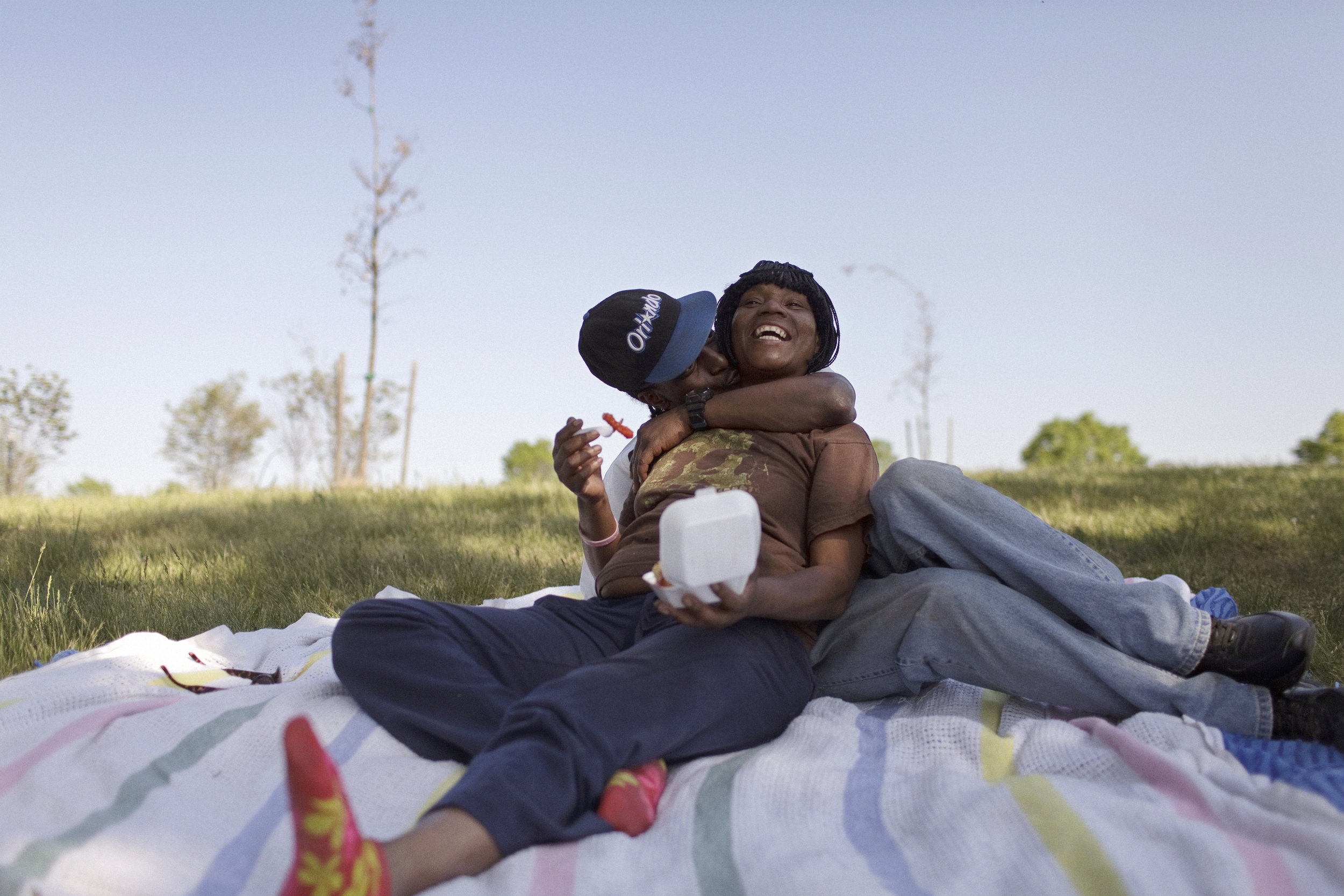
 

View fullsize  Kay Halfacre and her husband Boo enjoy the sunny afternoon on the banks of the Anacostia River, on Emancipation day, April 2012. The day before, their family caught a 60-lb catfish in the same spot. Everyone was still excited from the epic catch.
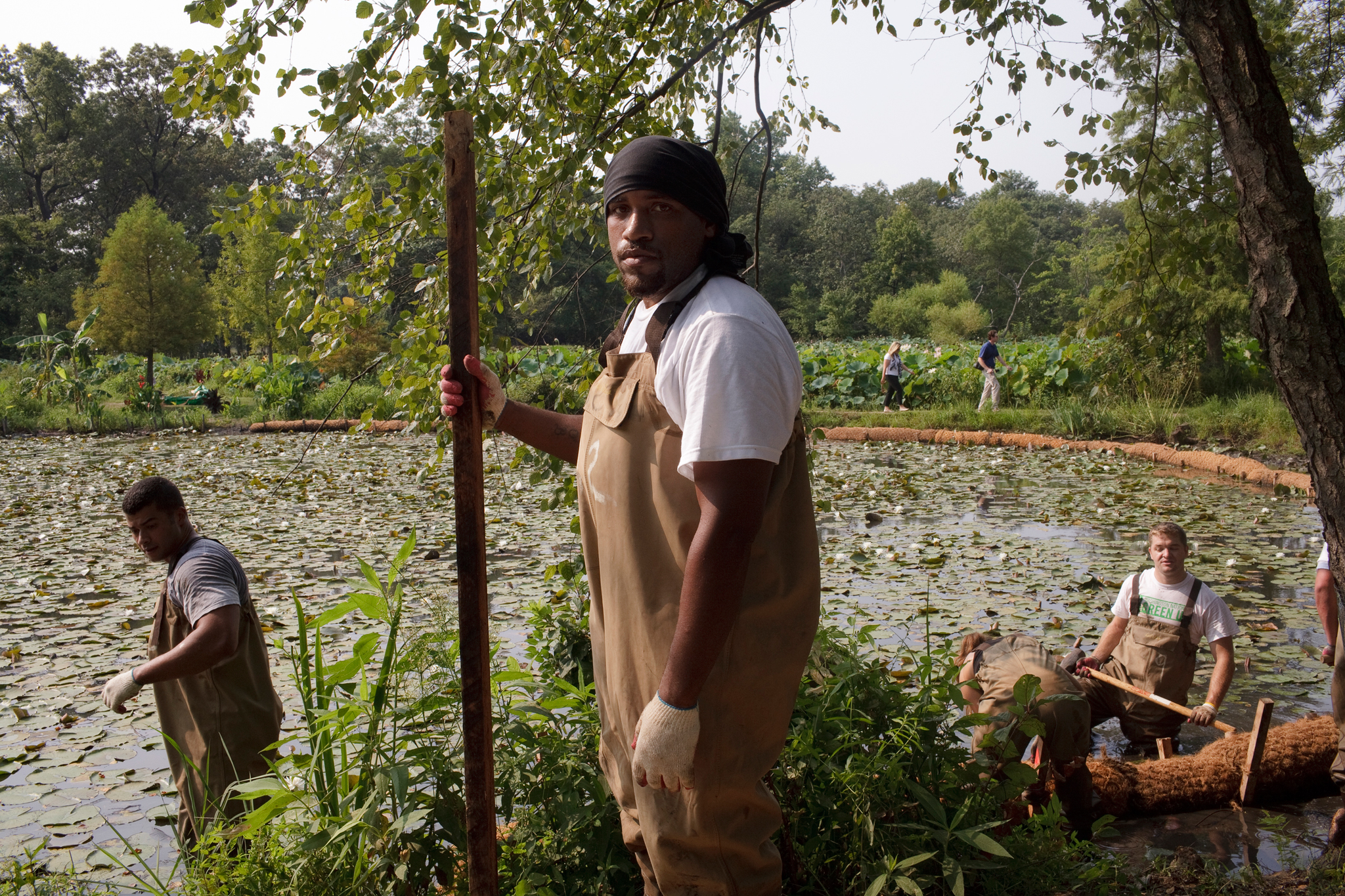
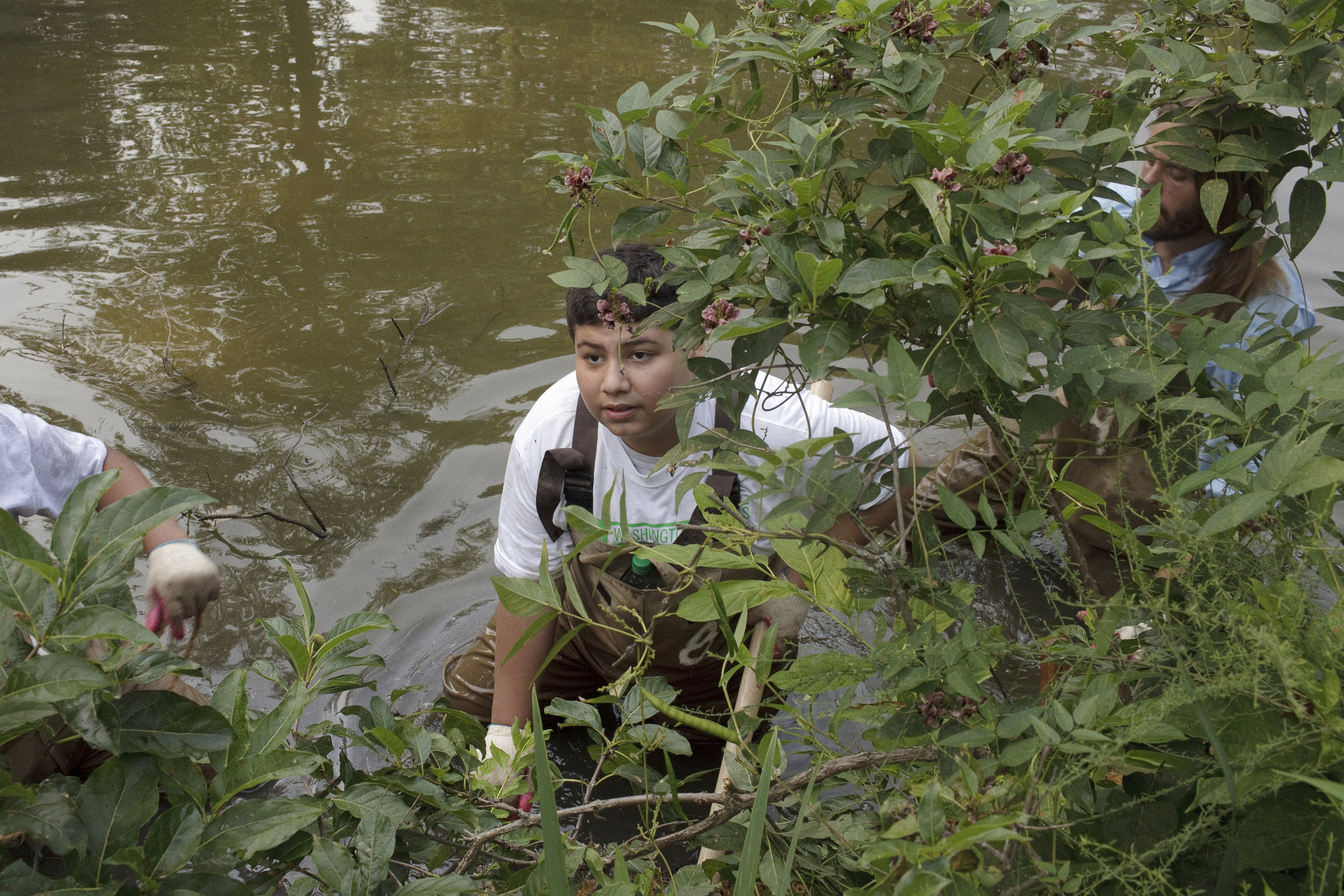
View fullsize  A community member helps clear invasive species from Kenilworth Aquatic Gardens on a workday sponsored by the Washington Nationals.
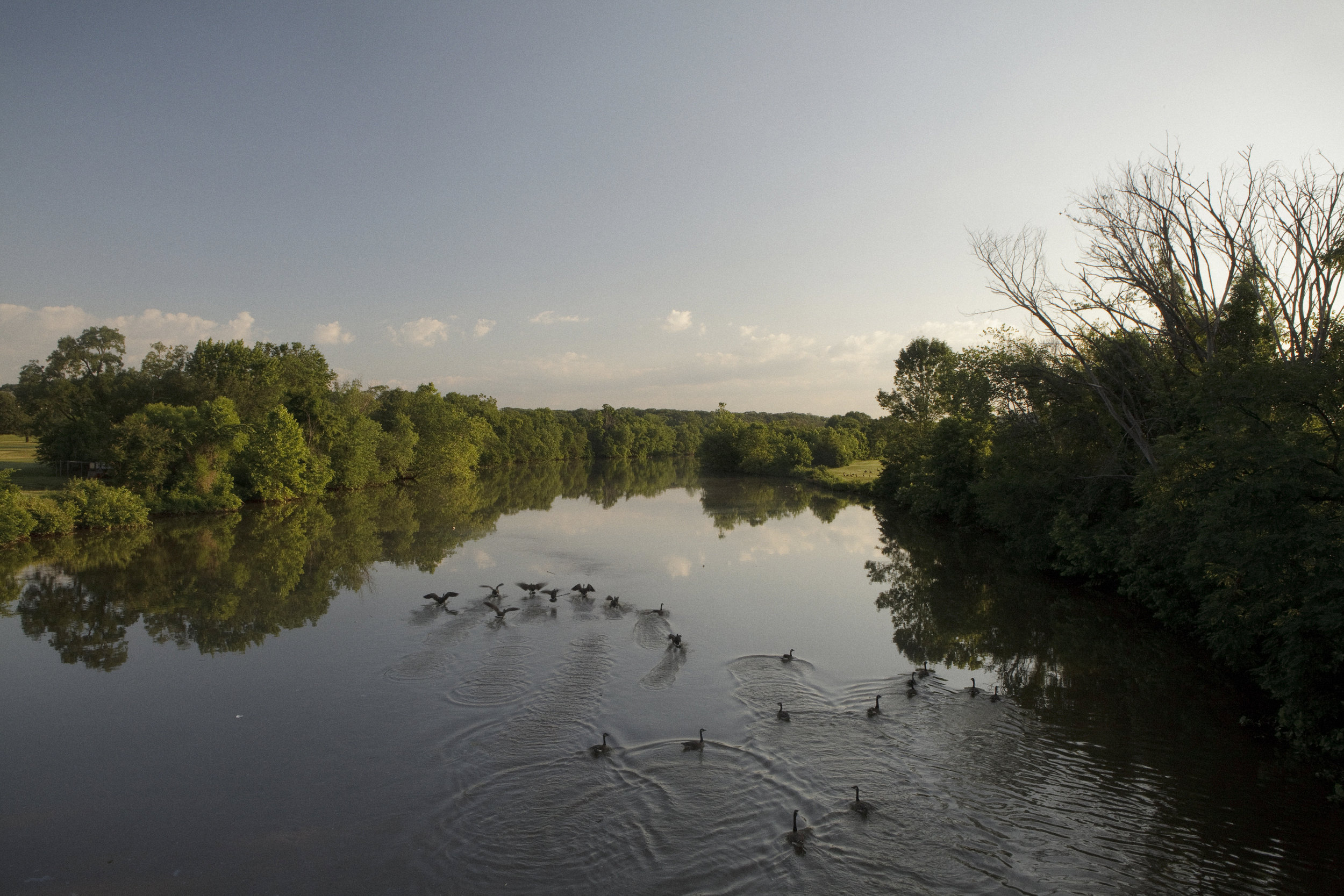
View fullsize  Canada Geese travel upstream near Langston Golf Course. The grass provides the perfect place for the birds to graze. Though they should migrate, many of the geese stay in D.C. year round.
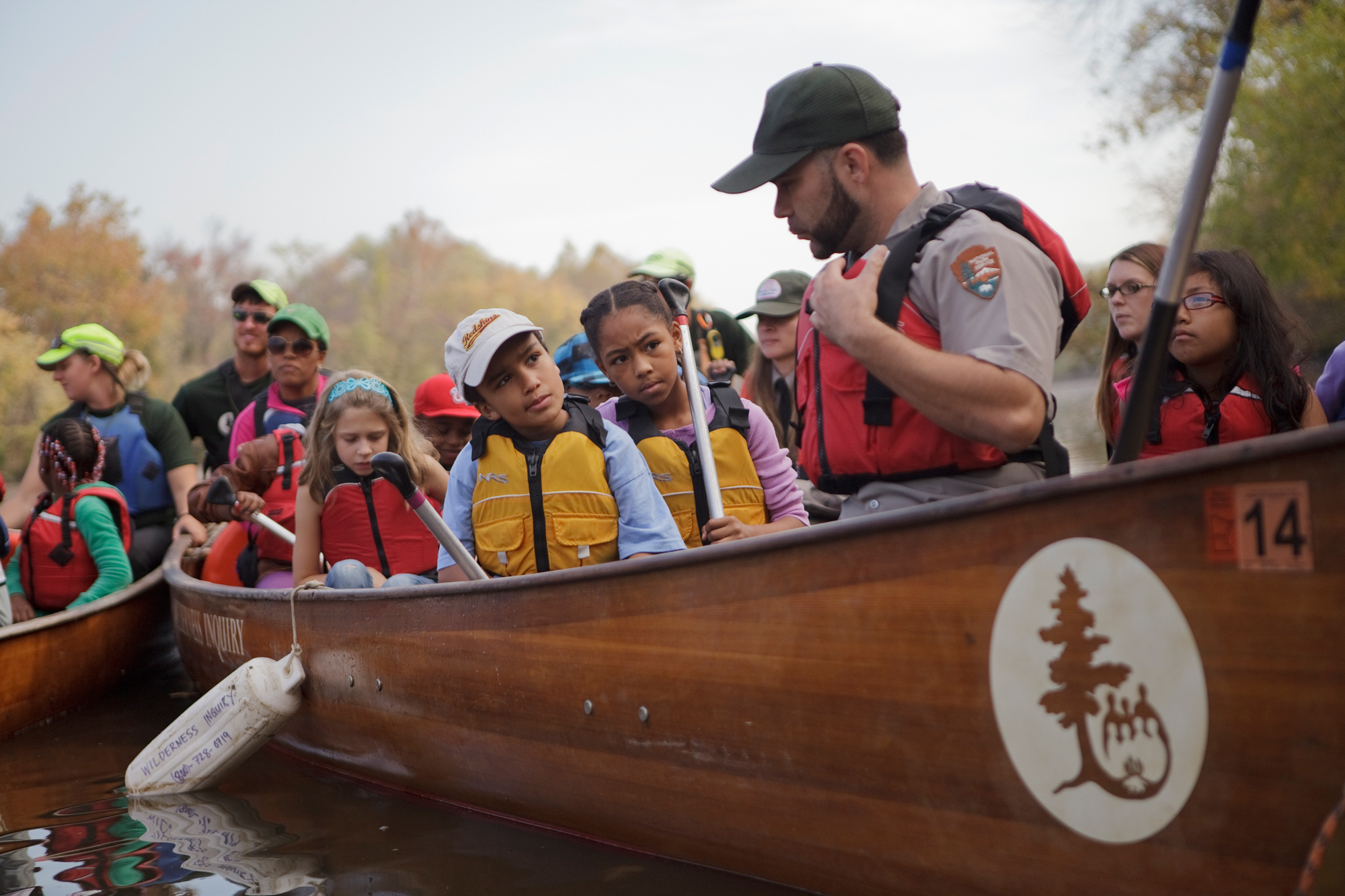
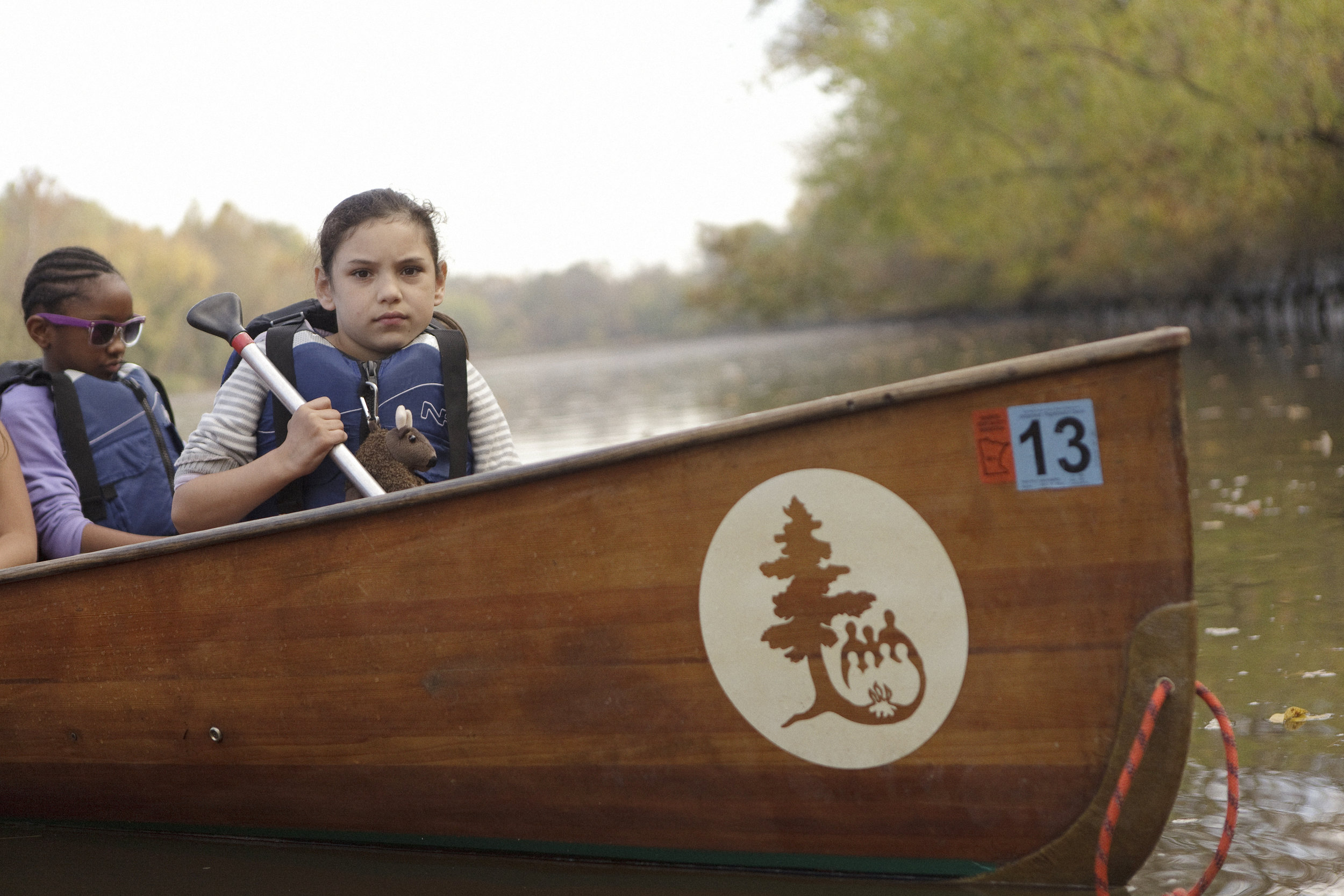
View fullsize  D.C. school children canoe the Anacostia through a non-profit called Wilderness Inquiry, which helps create opportunities for urban kids to spend time in nature in October, 2012.
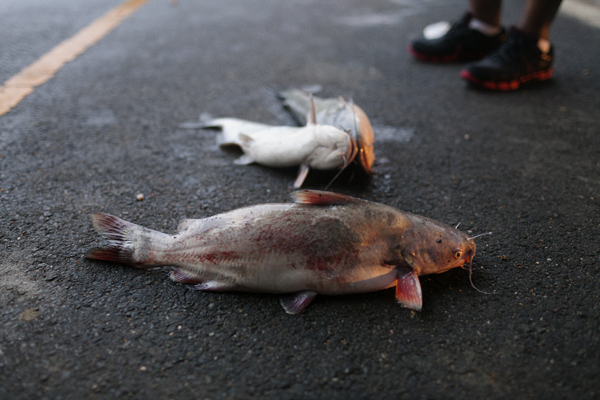
View fullsize  Alphonzo Wright prepares to pull in a catfish from the Anacostia River, near the CSX railroad bridge. Since catfish are bottom dwellers, there is worry that they accumulate more toxins, heavy metals, and pcbs, in their fat as they age. These toxins
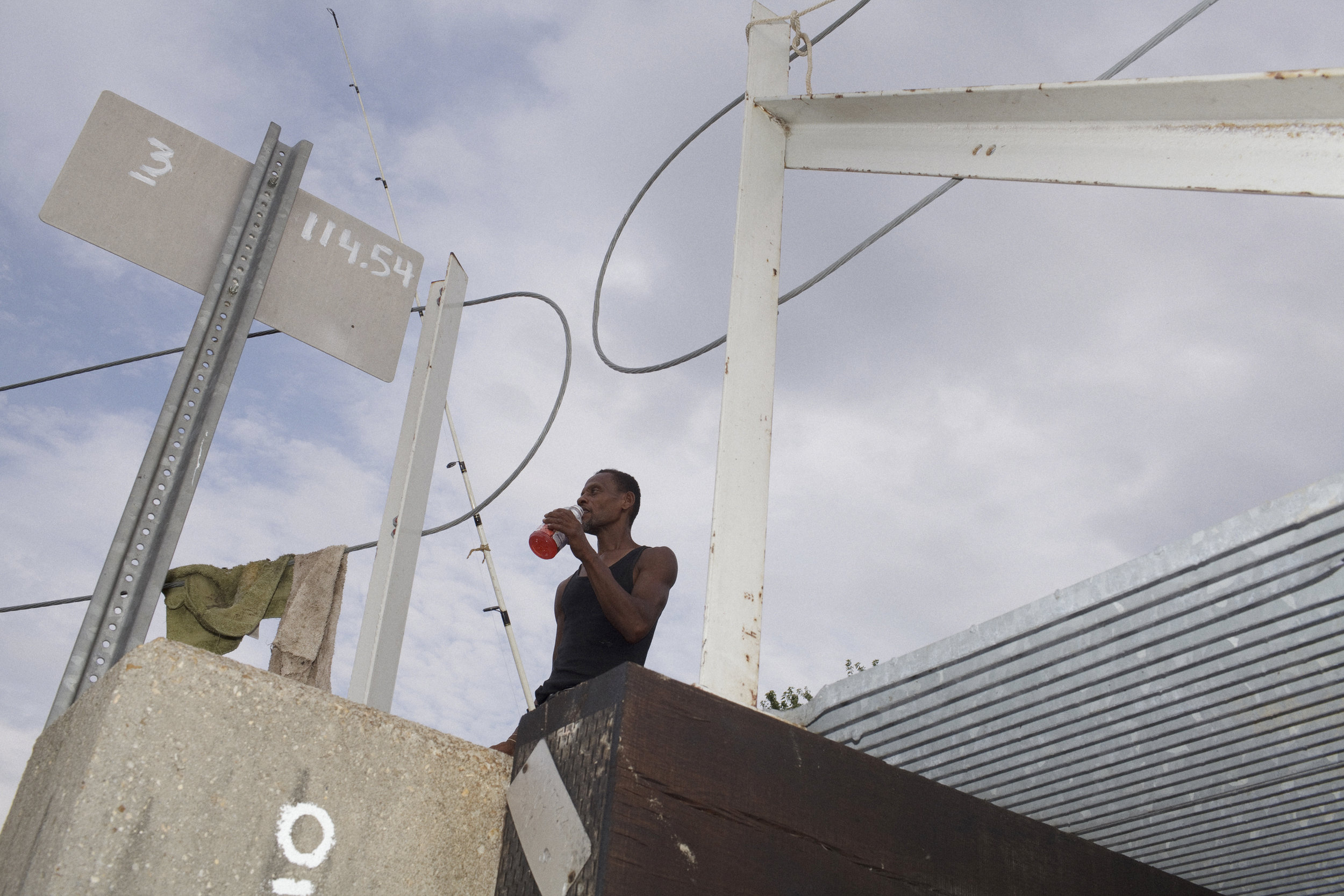
View fullsize  Alphonzo Wright fishes off of the CSX railroad bridge. He is a regular fisher on the Anacostia. Although today, he said he was giving his catch away to a friend, a common occurrence.
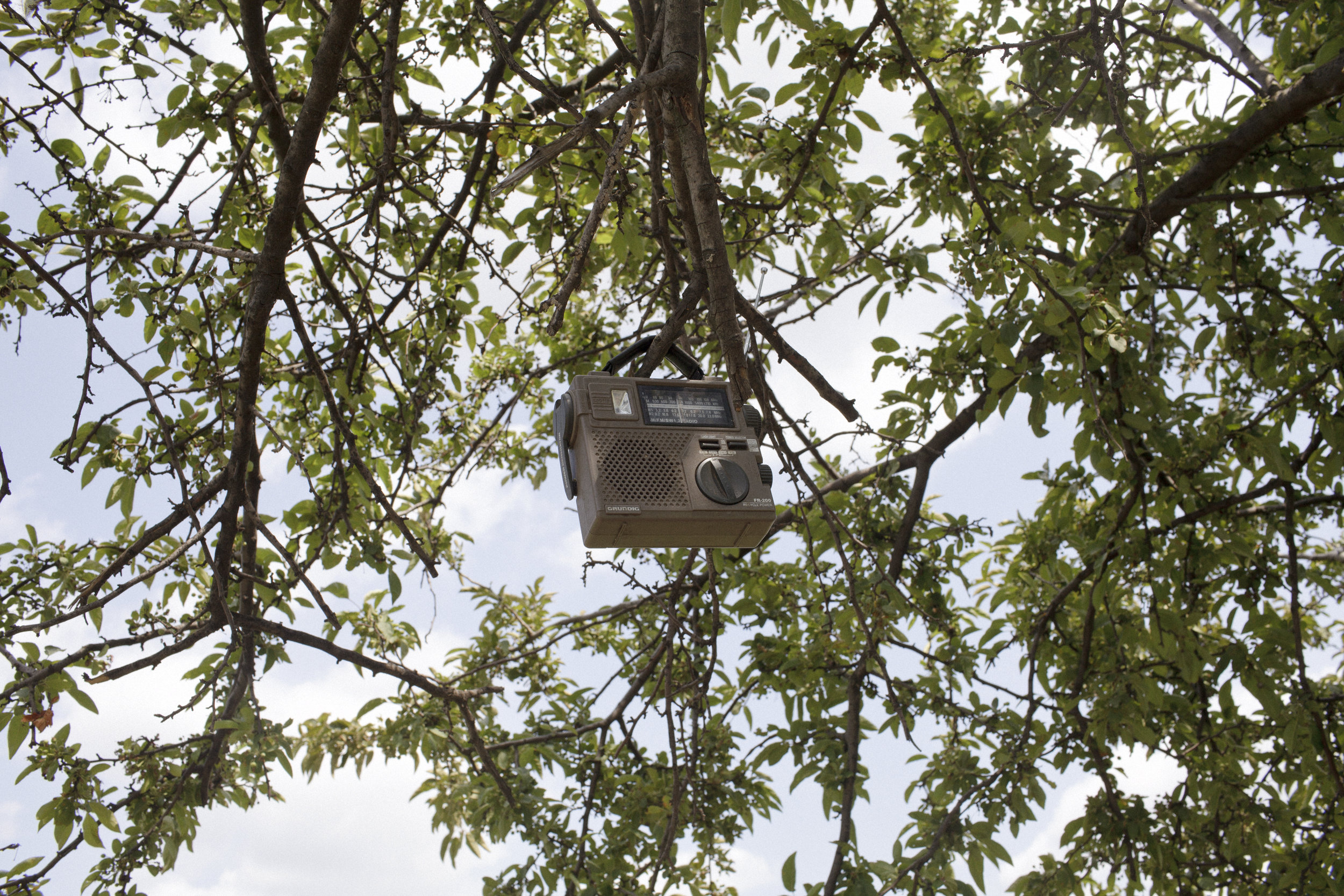
View fullsize  A radio hangs on a branch in the “learning tree,” which sits on the bank of the Anacostia. Fishermen gave the tree its name because that’s where people learn how to fish.
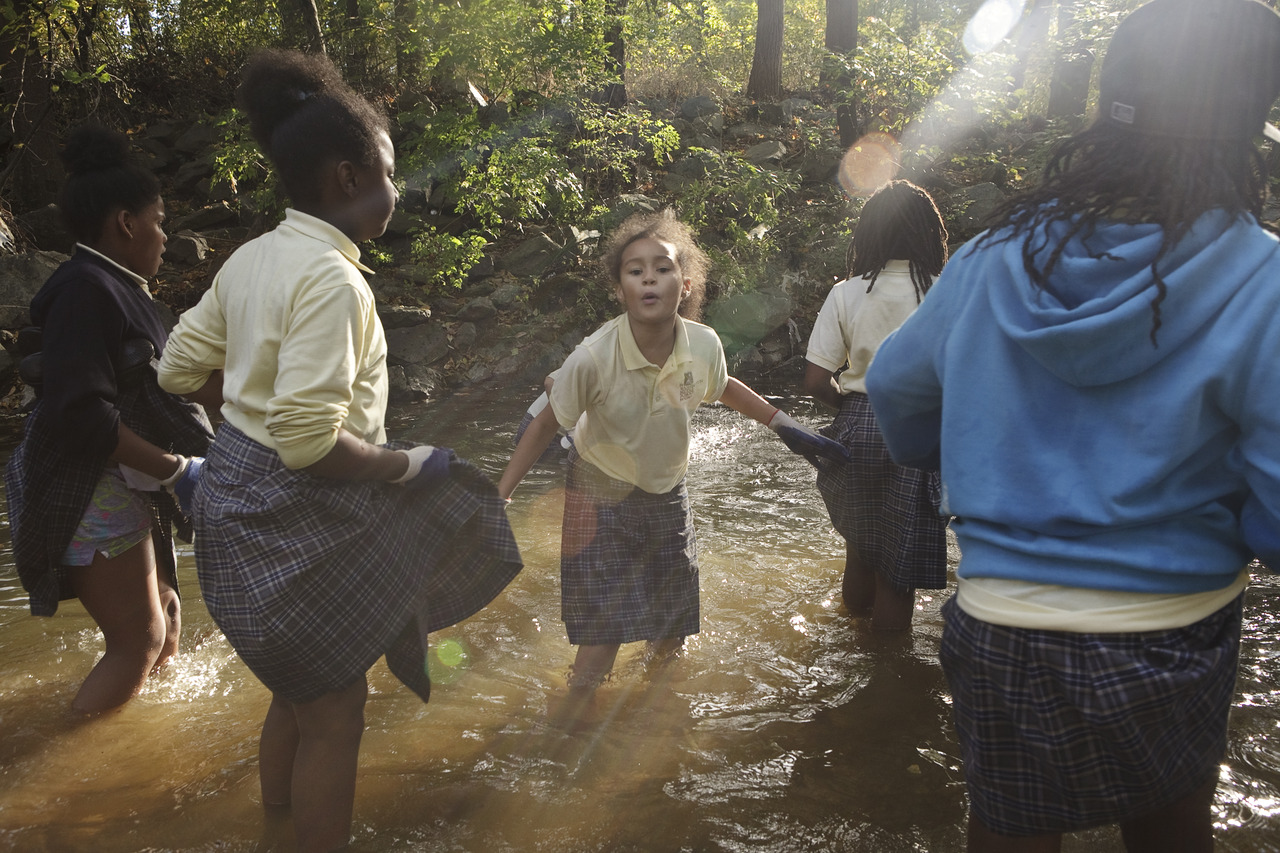
View fullsize  A group of girls take part in a trash clean up in a creek outside Town Hall Education Arts Recreation Campus in southeast D.C.
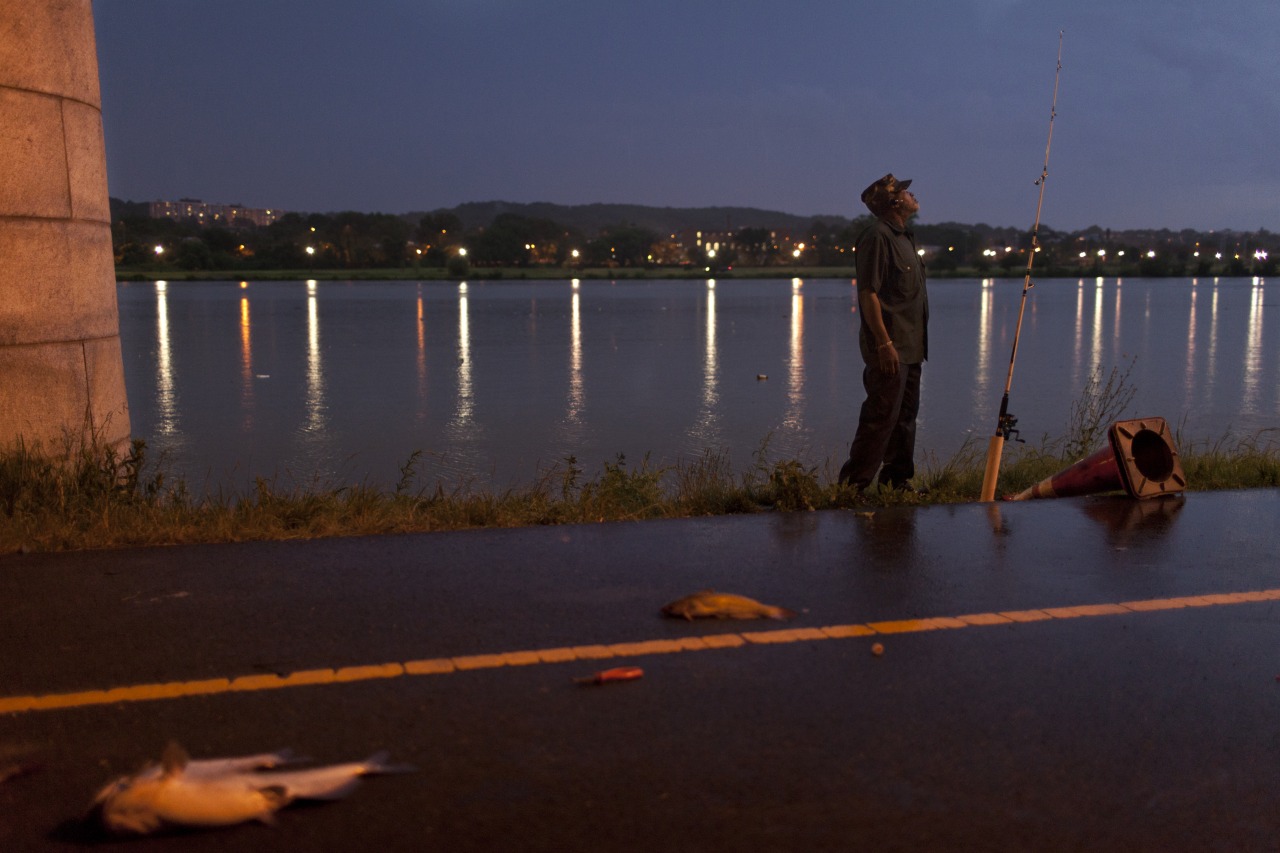
View fullsize  Linda and Ed catch catfish under the John Philip Sousa bridge in Washington, D.C. on a Friday night in June, 2012.
View fullsize  A Boy Scout troop works in Kenilworth Aquatic Gardens as part of a group work day sponsored by the Washington Nationals.
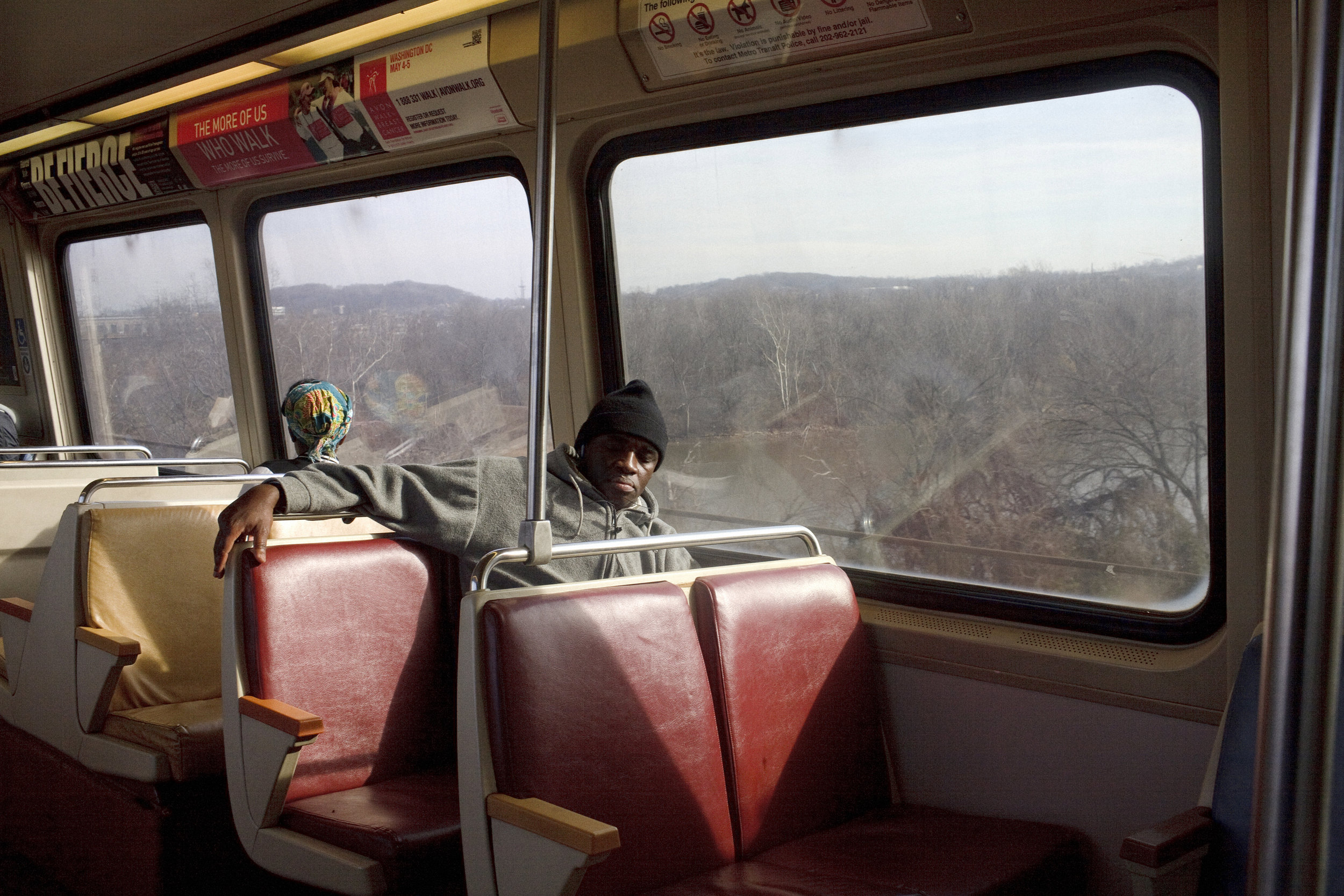
View fullsize  Metro's Blue and Orange lines cross directly over the Anacostia River. For many, the river is less of a destination and more of something to cross.
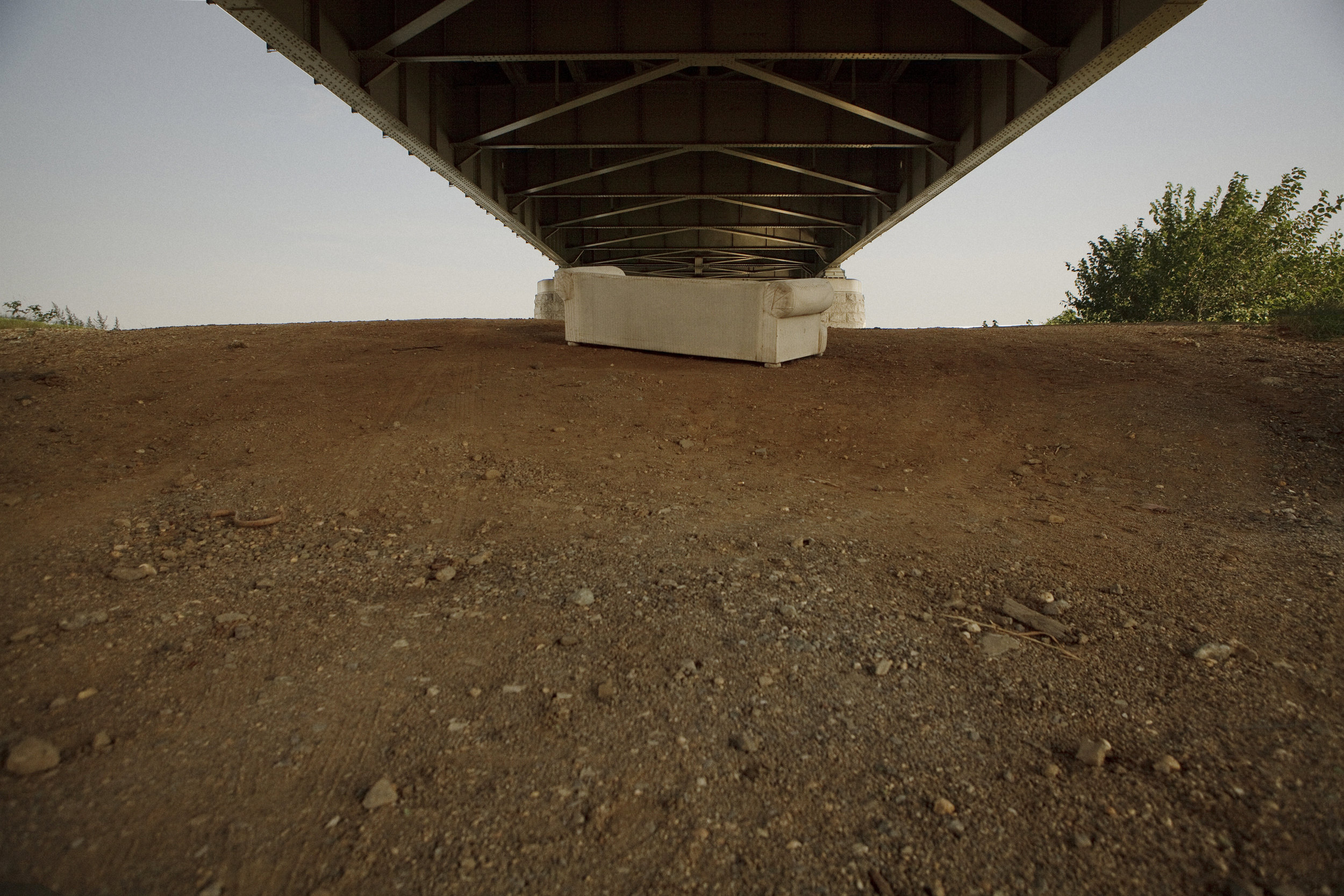
View fullsize  An abandoned couch sits under the Frederick Douglass bridge, east of the river, just across the water from Nationals Stadium. There is a growing gap between development and neglected space in many parts of southeast.
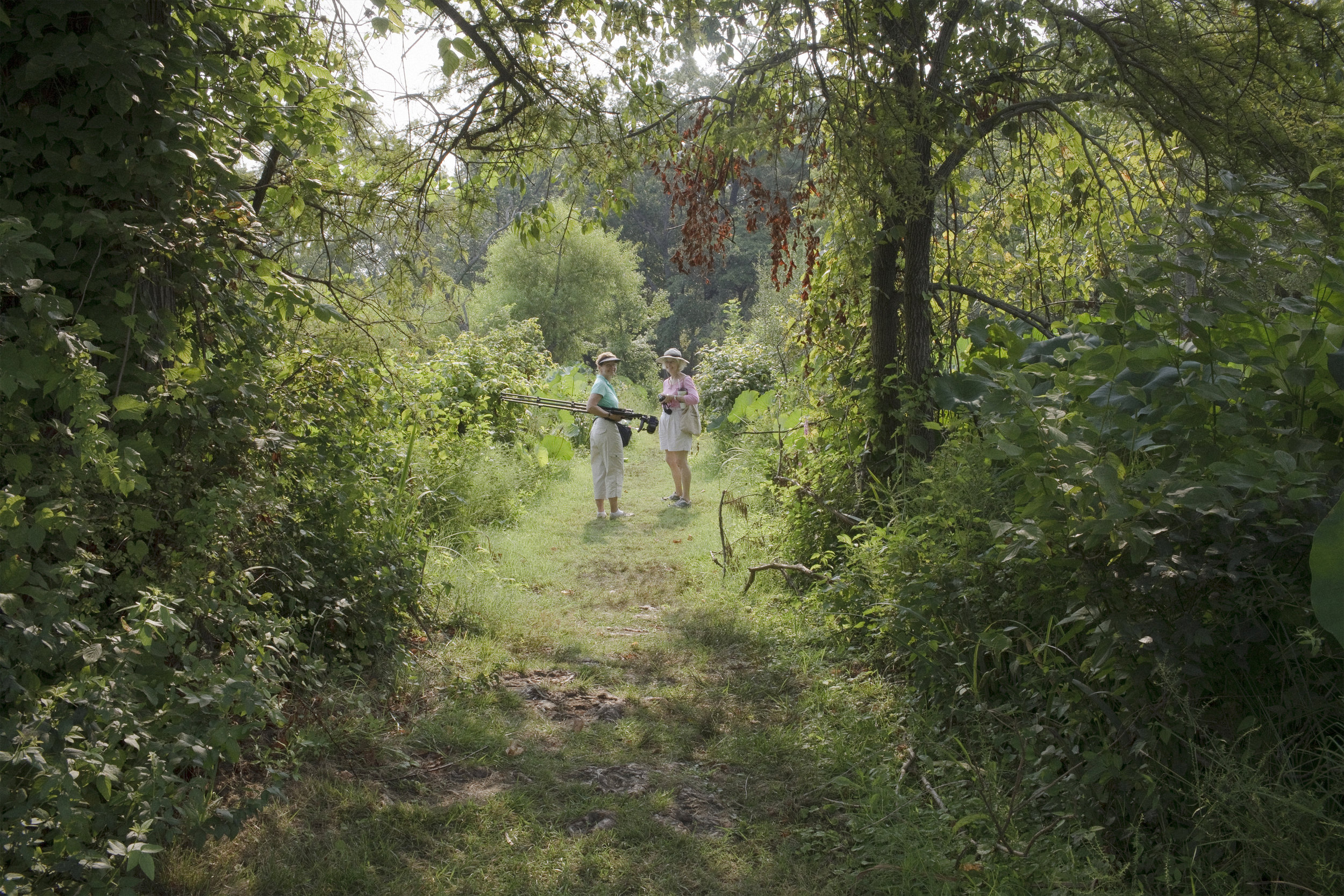
View fullsize  Two women bird watch in Kenilworth Aquatic Gardens on July 18th, during a community clean up of the gardens. Kenilworth Aquatic Gardens is the only National Park site devoted to growing and showing aquatic plants.
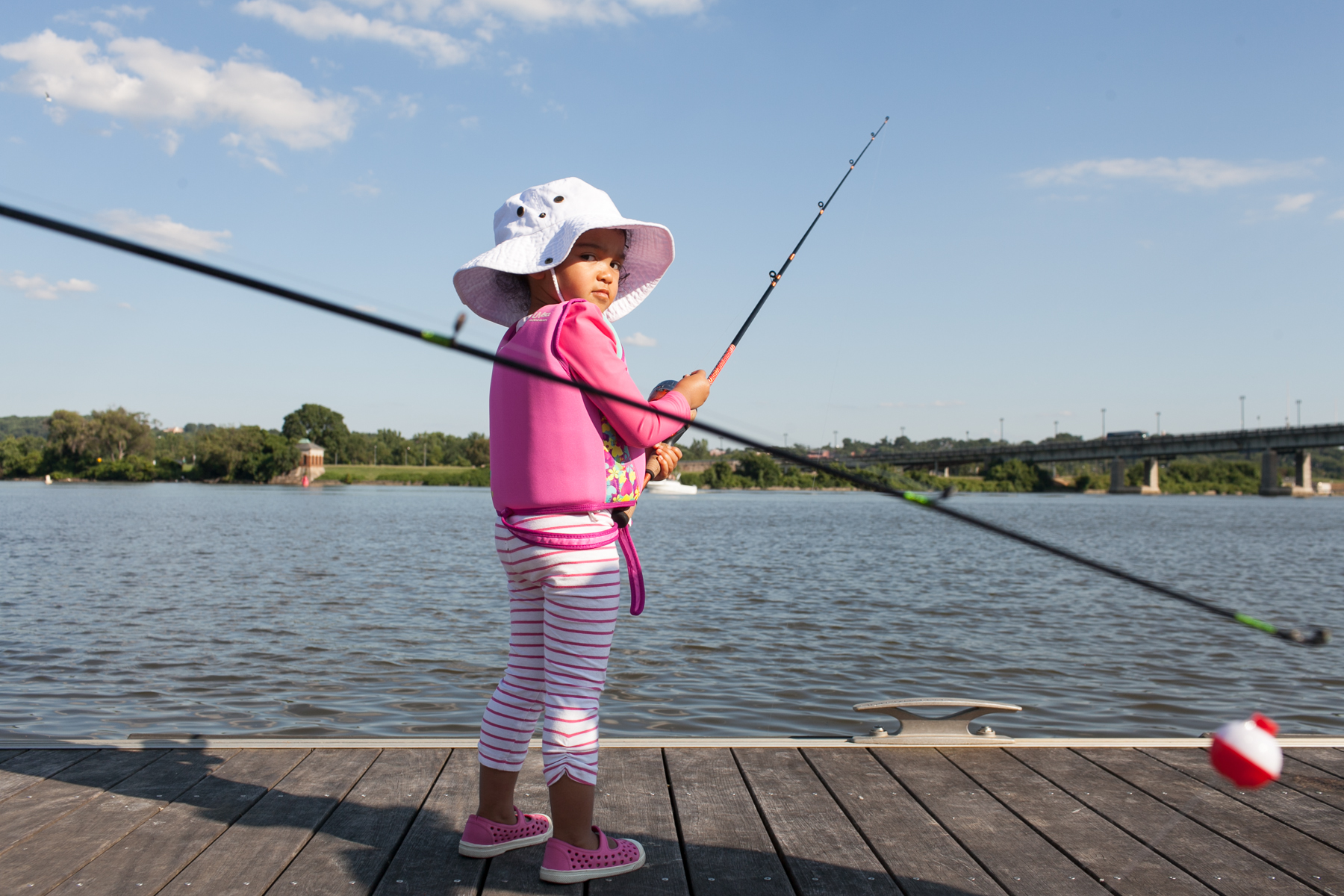
View fullsize  Friday Night Fishing, a free event where kids learn how to catch and release fish, from the pier by Nationals Stadium in Diamond Teague Park.
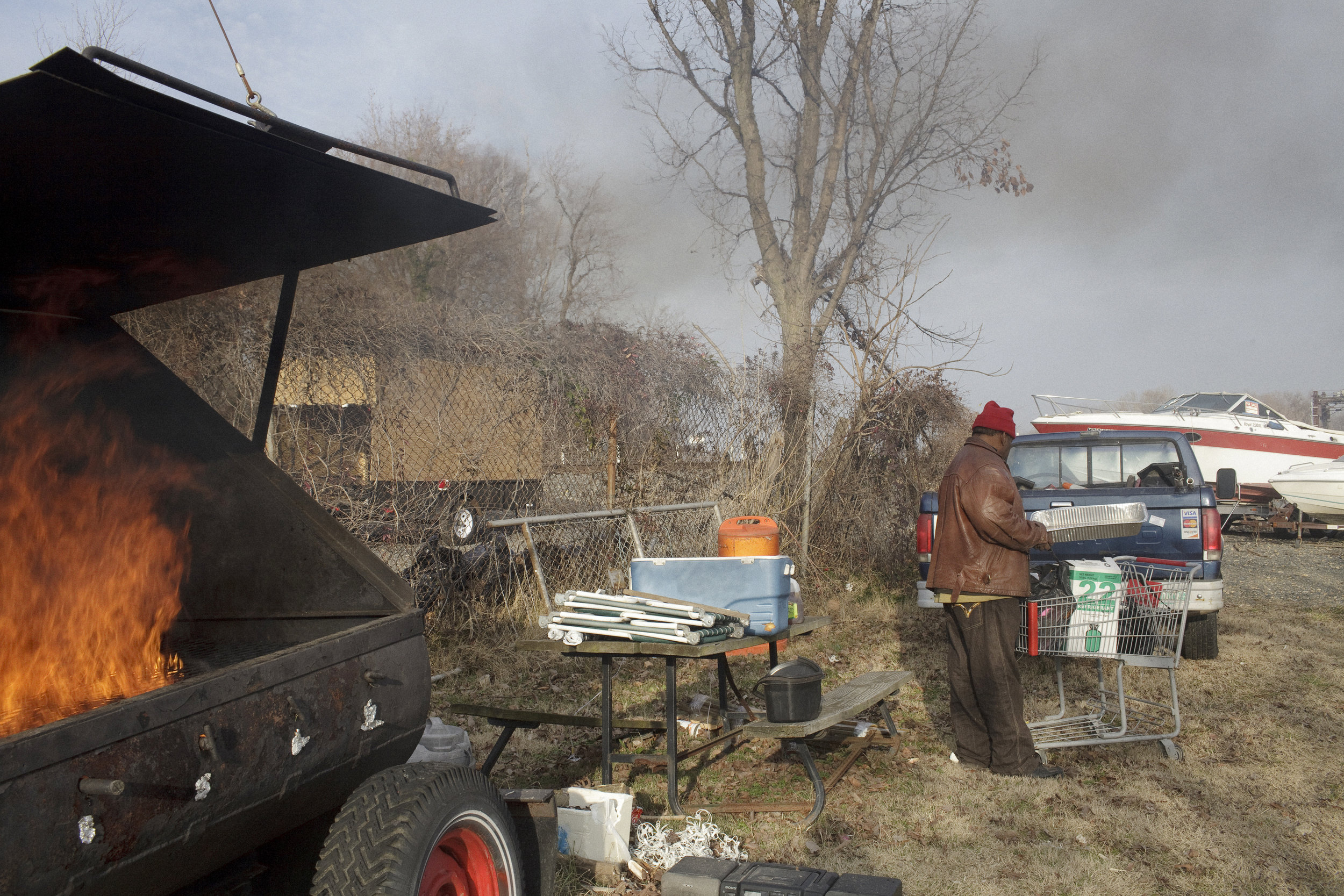
View fullsize  A.J., a member of Seafarers Yacht Club, the first Historically Black Yacht Club in the District, fires up the grill to cook a recently caught catfish.
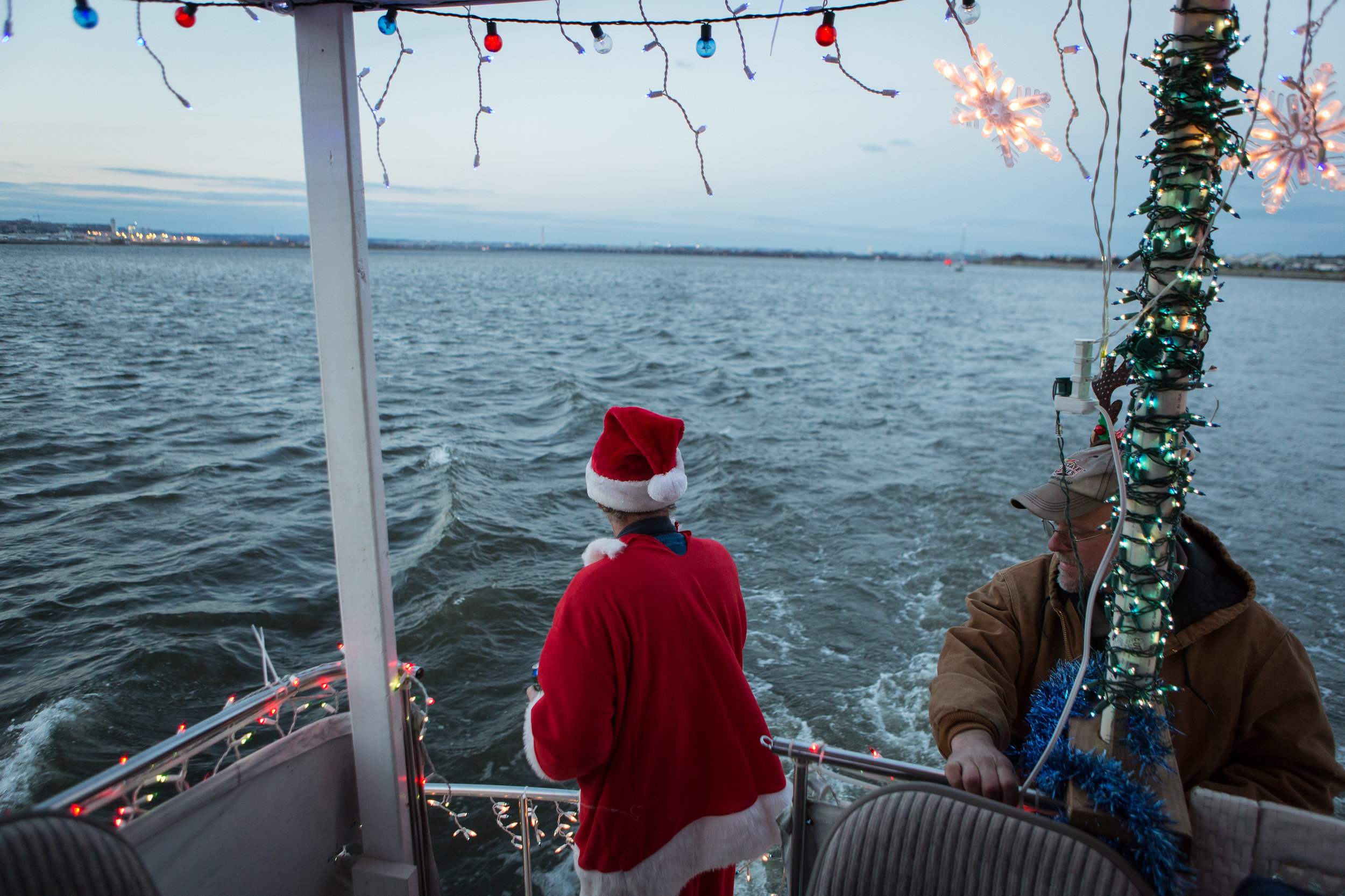
View fullsize  Greg Drenter, the commodore of the Eastern Power Boat Club, which is situated on the Anacostia River, rides in the parade of lights, an annual boat decorating competition.
View fullsize  Oliver, a recovering alcoholic 100 days sober, fishes from Hains Point, the convergence point of the Anacostia and Potomac Rivers in Washington, D.C.
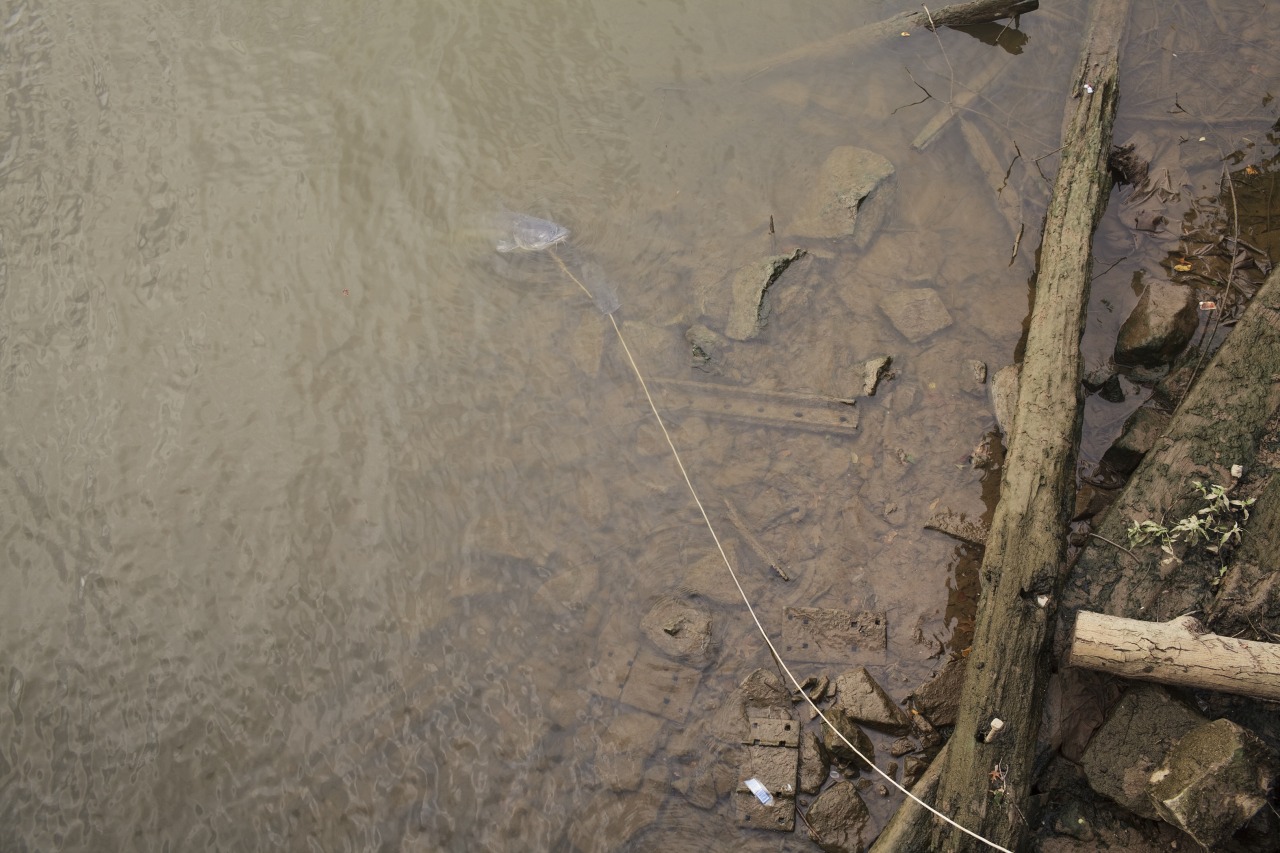
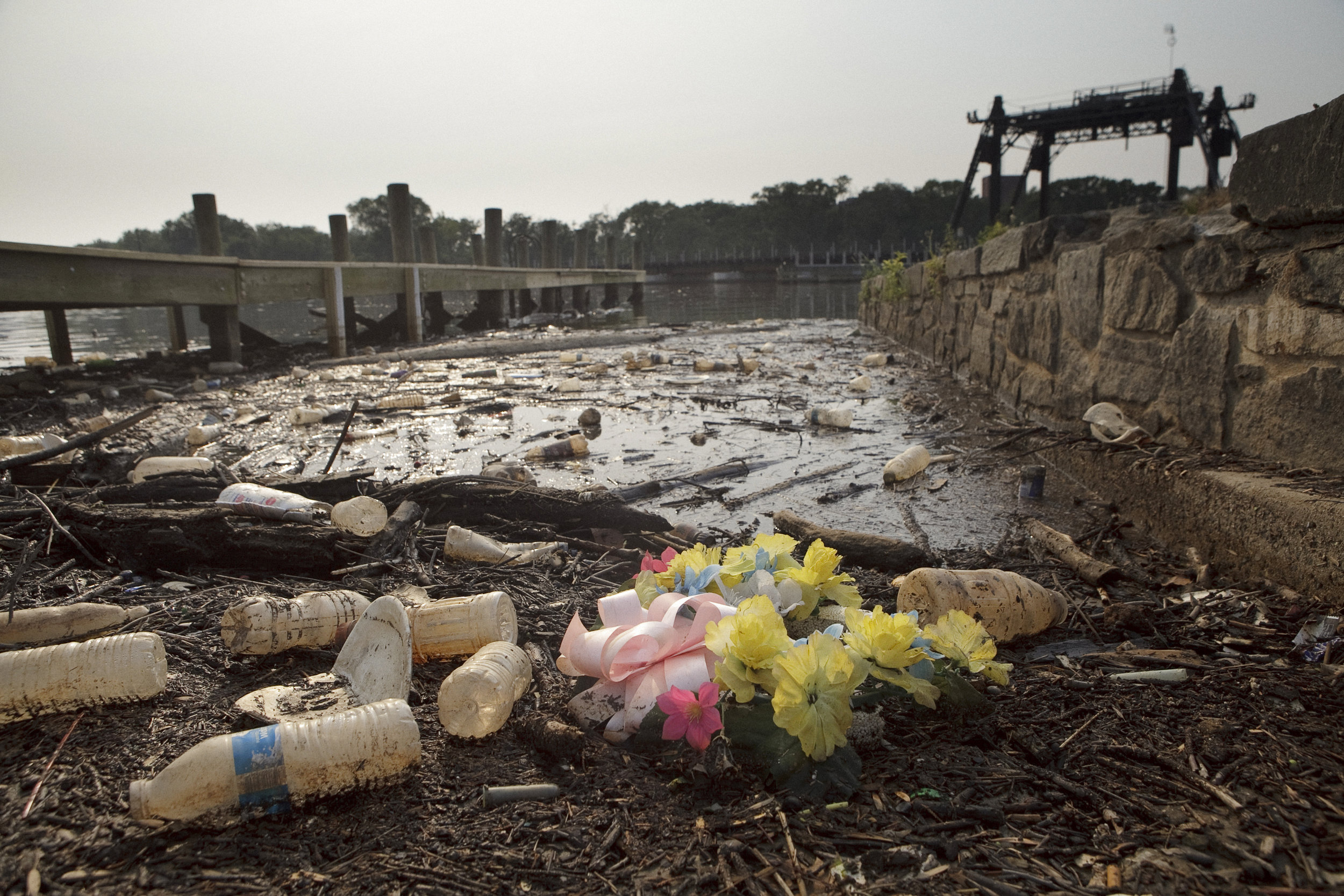
View fullsize  Rains often bring a great deal of trash to the surface of the river, here, what looks like a pristine funeral wreath is surrounded by washed up bottles and sticks.
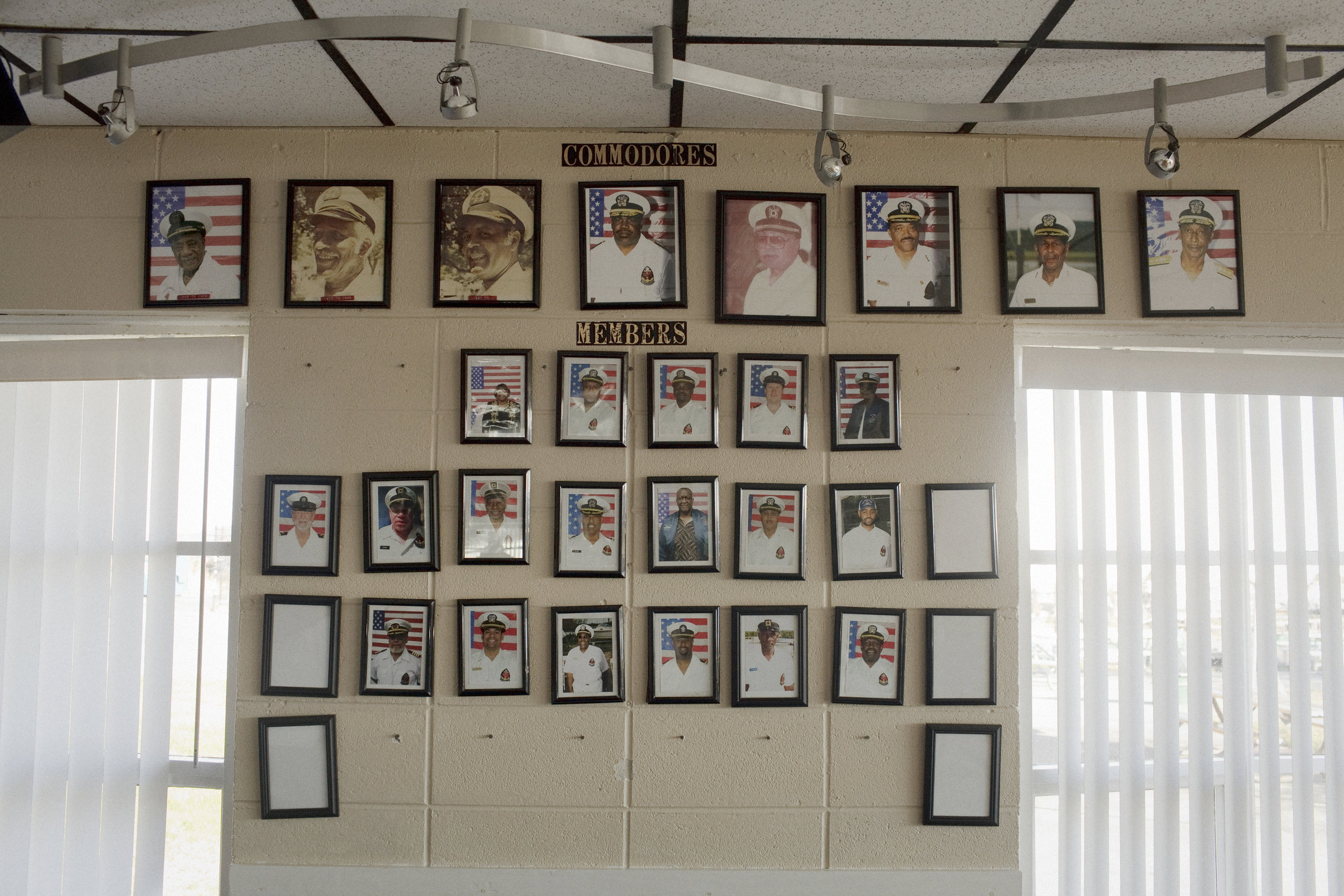
View fullsize  The Seafarers Yacht Club was organized in 1945 and was the first black yacht club on the east coast. An active club, they started the annual Anacostia River clean up day, and they frequently hold fish fries and other parties.
View fullsize  AJ Hall, fishes from his boat, The Raven, which is docked at Seafarers Yacht Club on the Anacostia. The tide was too low to go out on the water, and he did not catch a fish until it came in.
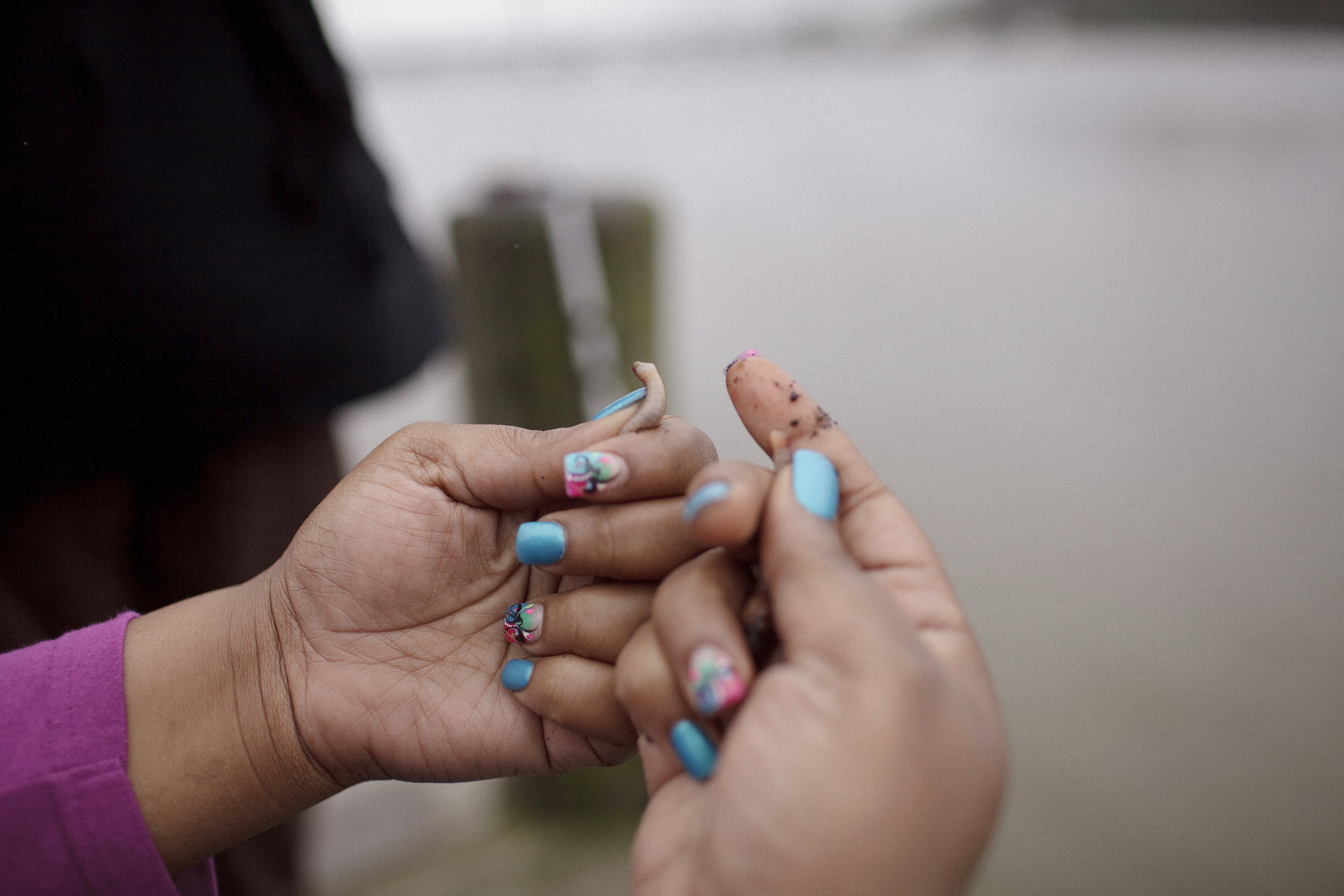
View fullsize  A woman baits a hook for fishing at the boat ramp in Anacostia Park. She and her family were fishing recreationally. There are many who do not consume the fish because they are aware of the conditions of the water.
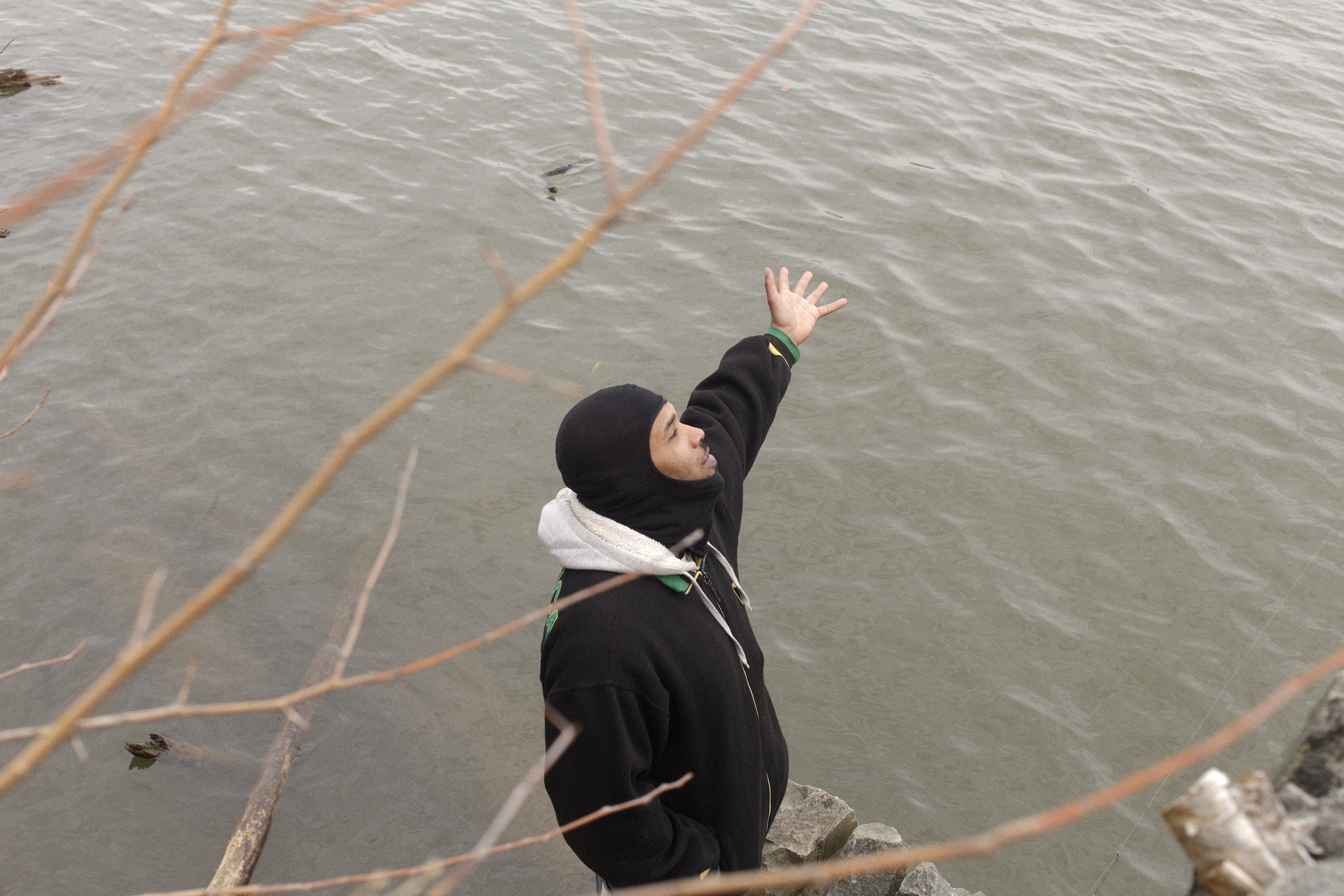
View fullsize  Bones has been fishing from the Anacostia for 38 years. He learned everything he knows about fishing from his grandfather, including the birdcalls he is doing here.
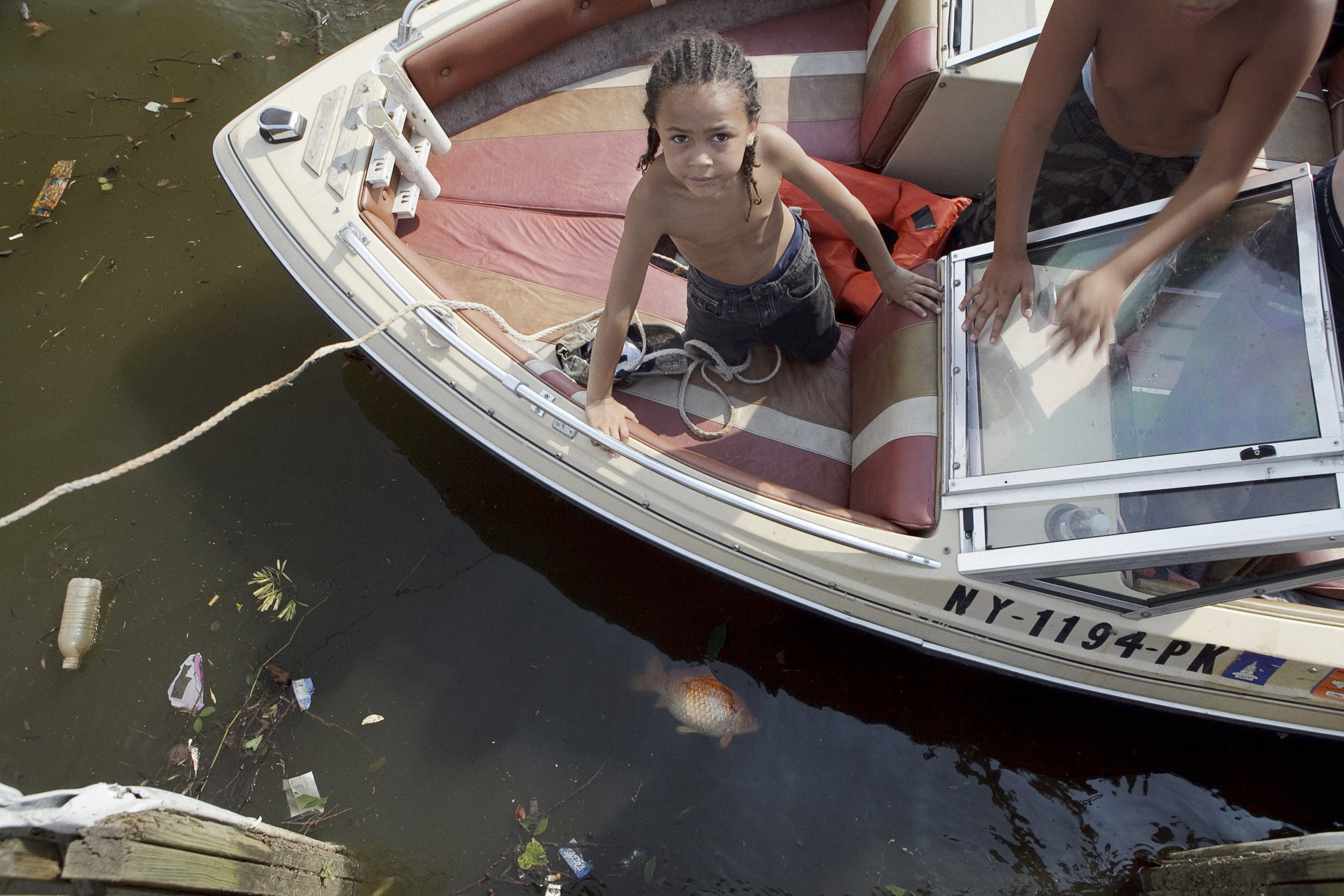
View fullsize  A boy rides on a recreational boat with his family, stopping by a pier in Anacostia Park.
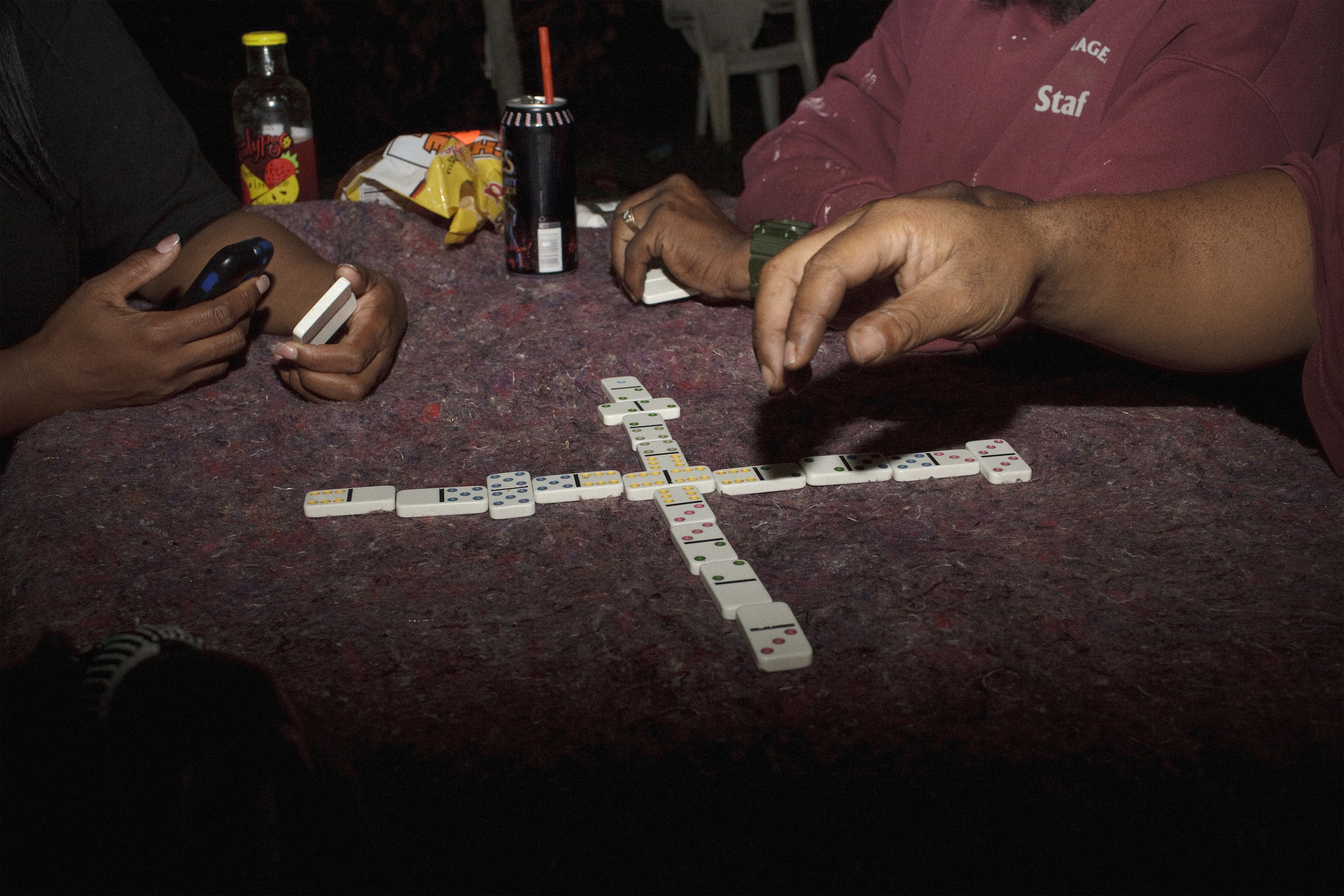
View fullsize  A group of friends spends time hanging out, listening to music, and playing dominos, near the Sousa bridge on the west side of the Anacostia River.
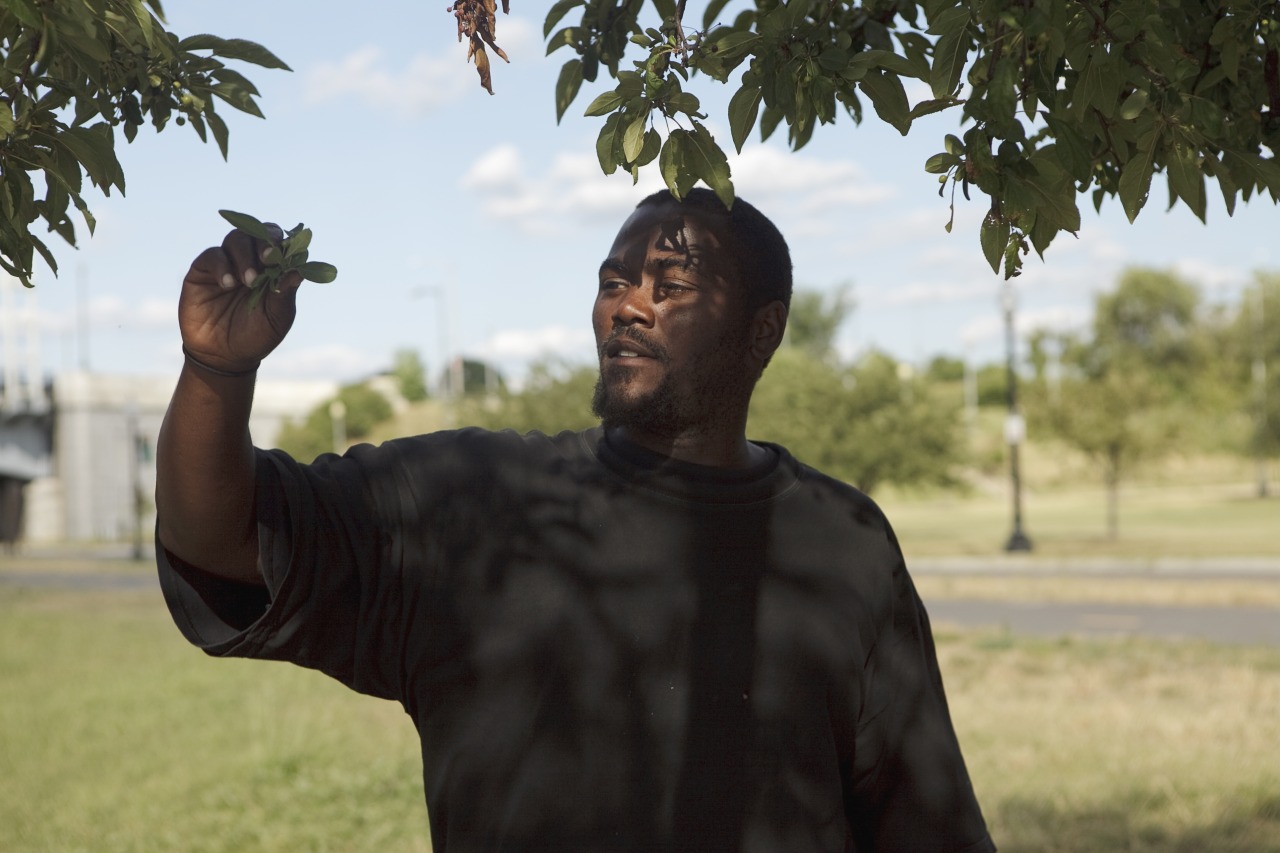
View fullsize  Ron under the “learning tree” in Anacostia Park.
View fullsize  Ed fishes under the John Philip Sousa bridge on a Friday night in June, 2012.
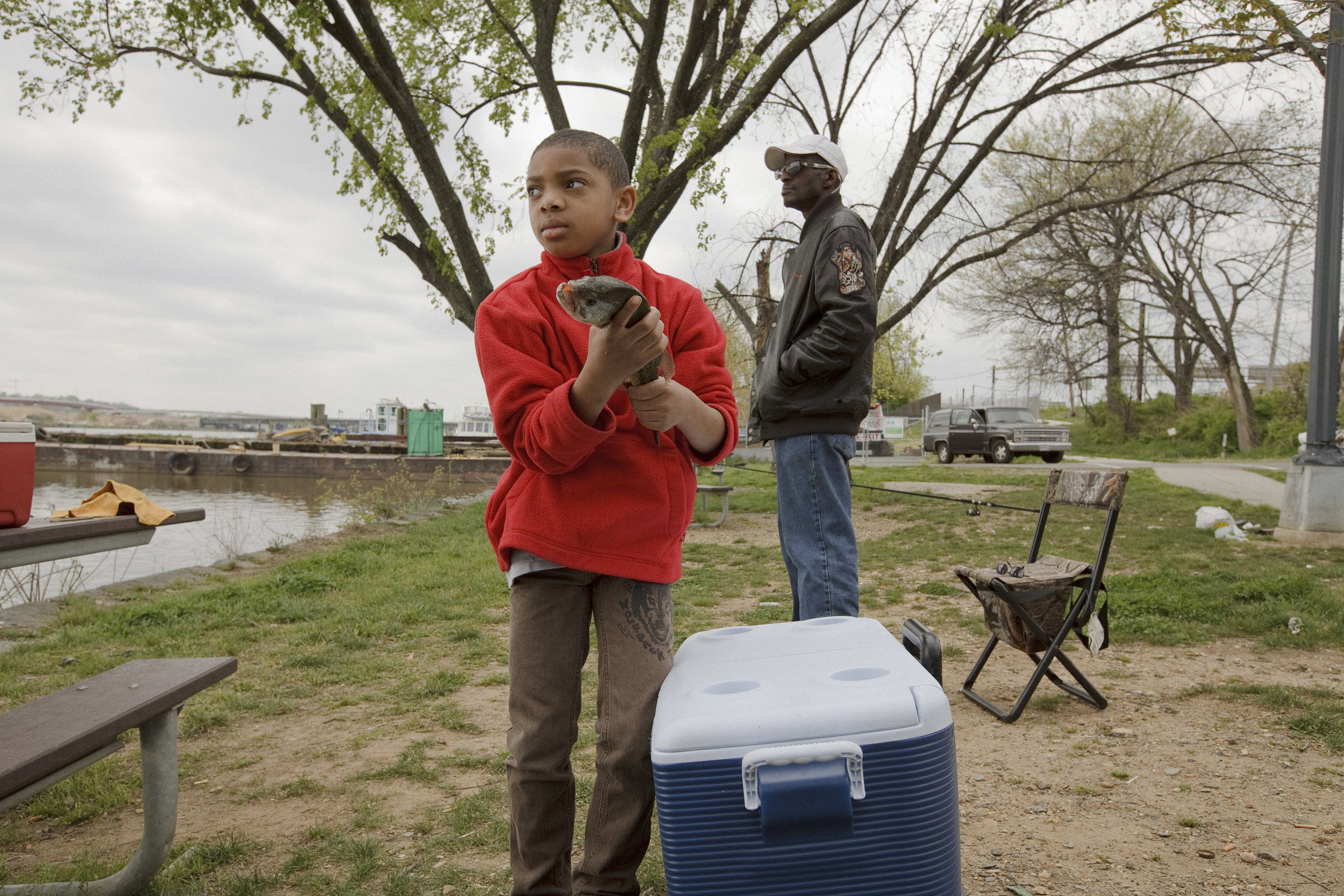
View fullsize  Elijah holds a caught fish just south of the John Philip Sousa Bridge on a Sunday afternoon in April. He was fascinated by the fish that his dad and his friends caught.
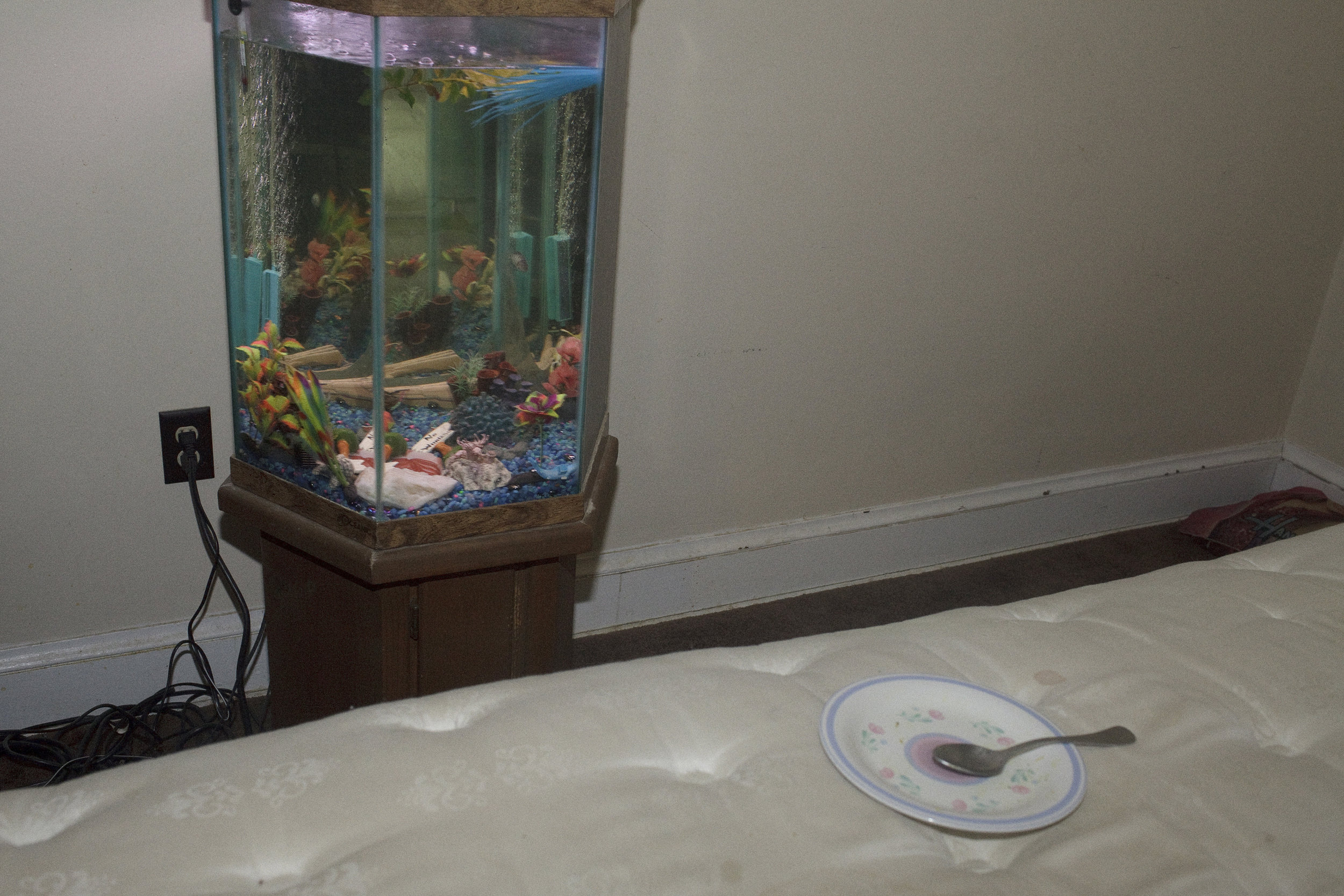
View fullsize  "Bones" breeds fish in his apartment to sell to pet stores. His connection to the river is intertwined with his love of all things outdoor. A true urban outdoorsman, he fishes, hunts, breeds fish, and even has a turtle. December, 2012
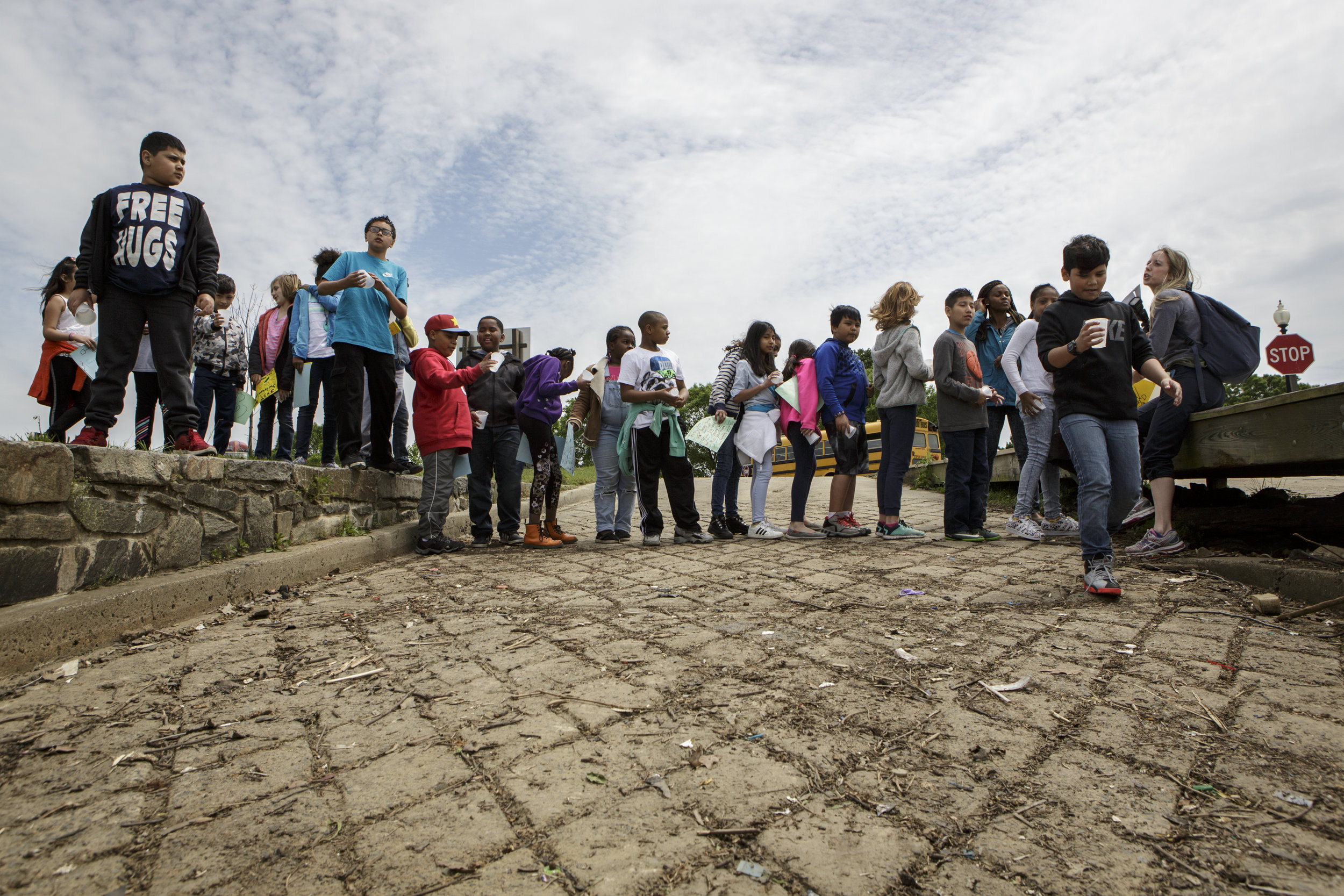
View fullsize  A class from Capitol City Public Charter School lines up to release American shad fry into the Anacostia River in May of 2017 as part of the shad restoration program called “Schools in Schools” put on by the Anacostia Watershed Society. American sha
View fullsize  Wink, pictured here, and his best friend Earl routinely fish under this tree in Anacostia Park. Etched in the tree, D'Jaun is one of Wink's nine children, six of whom have their names carved here.
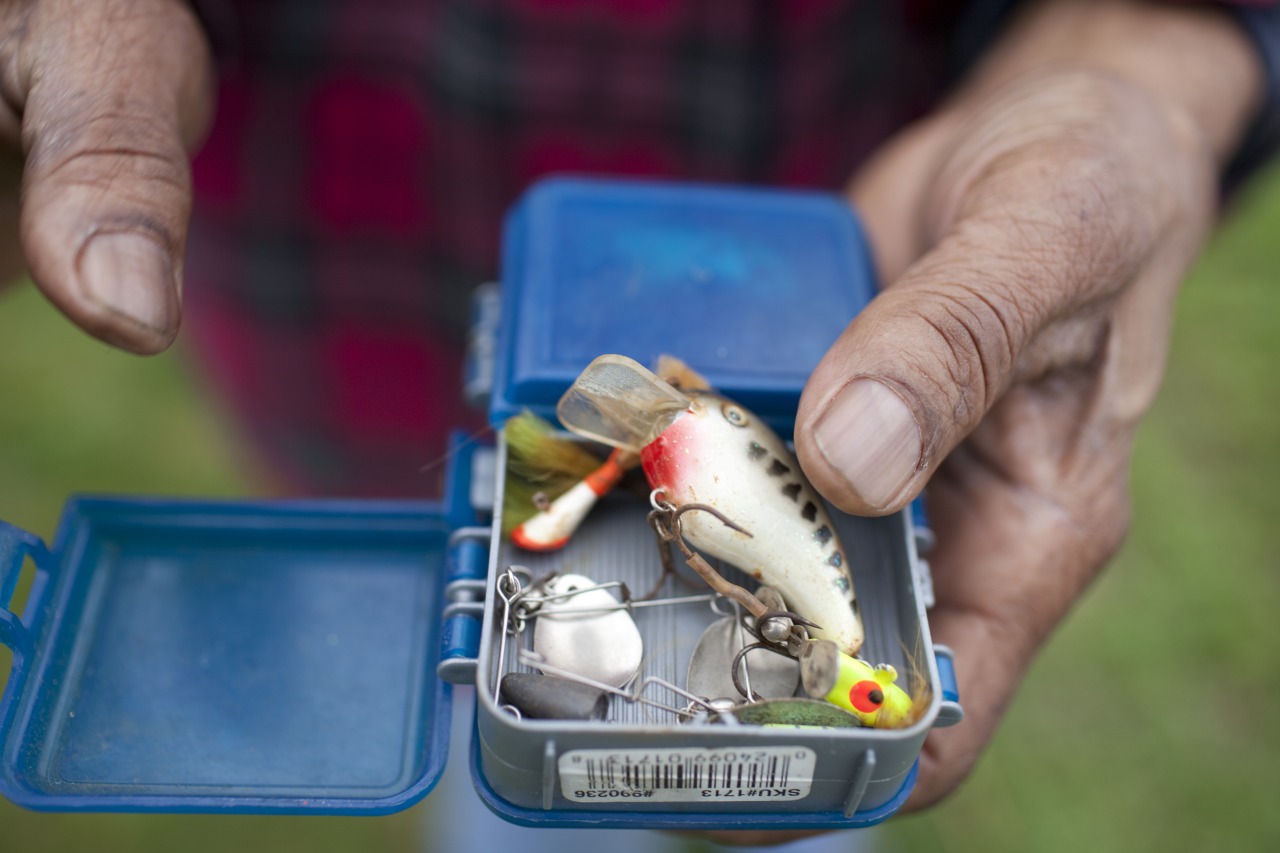
View fullsize  A man holds a tackle box as he fishes from the east bank of the Anacostia with his nephew. The two men didn’t plan to keep their catch for themselves, but to share it with friends in need.
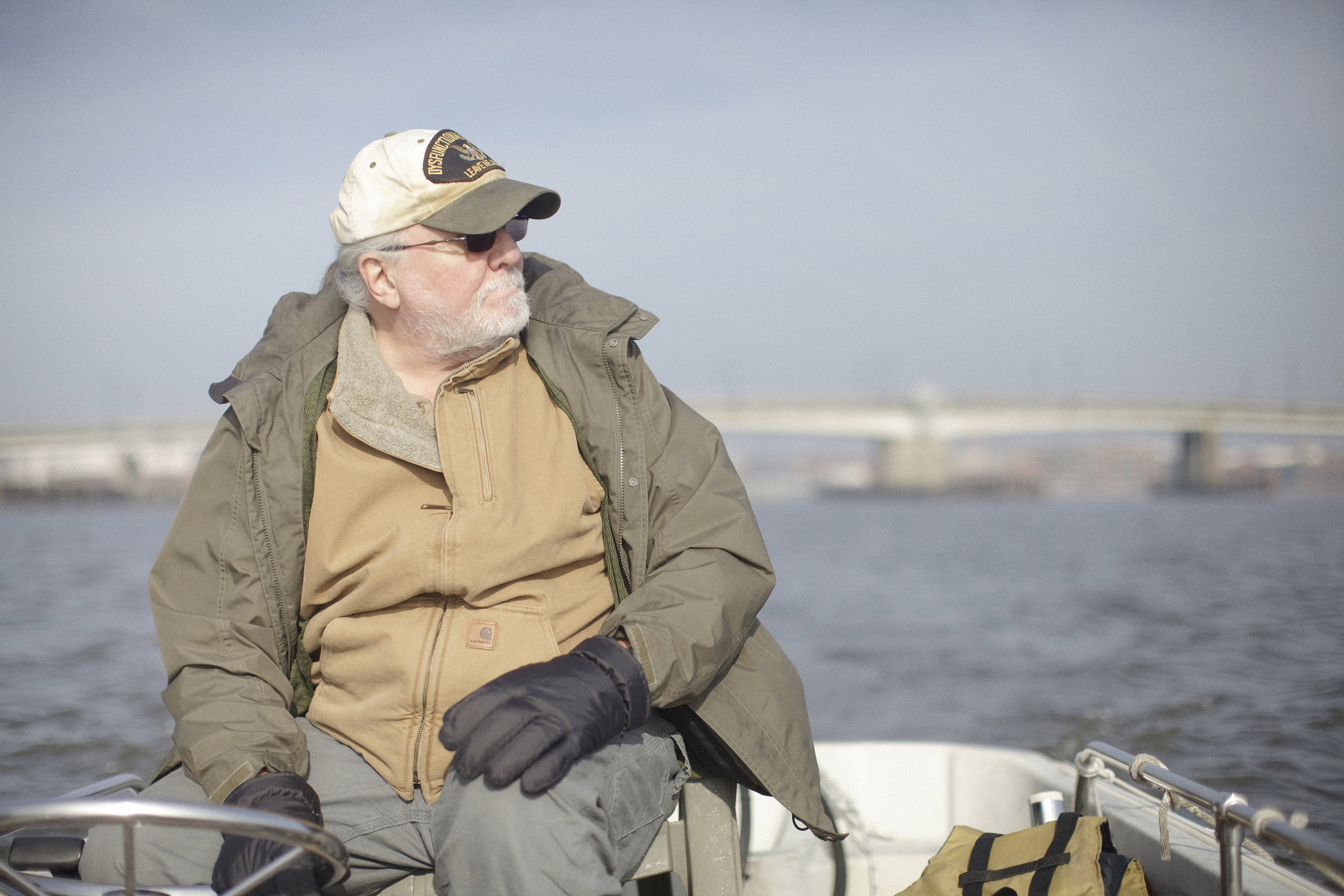
View fullsize  Phil Yunger, a member of Eastern Power Boat Club, the oldest power boat club in the United States, spends time on his boat on a blustery January afternoon. Yunger has a long relationship with the river-- he lived on his troller on the Anacostia for
View fullsize  Wilderness Inquiry, a program that takes urban youth into nature, went canoeing with elementary school children just outside of Kenwilworth Aquatic Gardens in October of 2012.
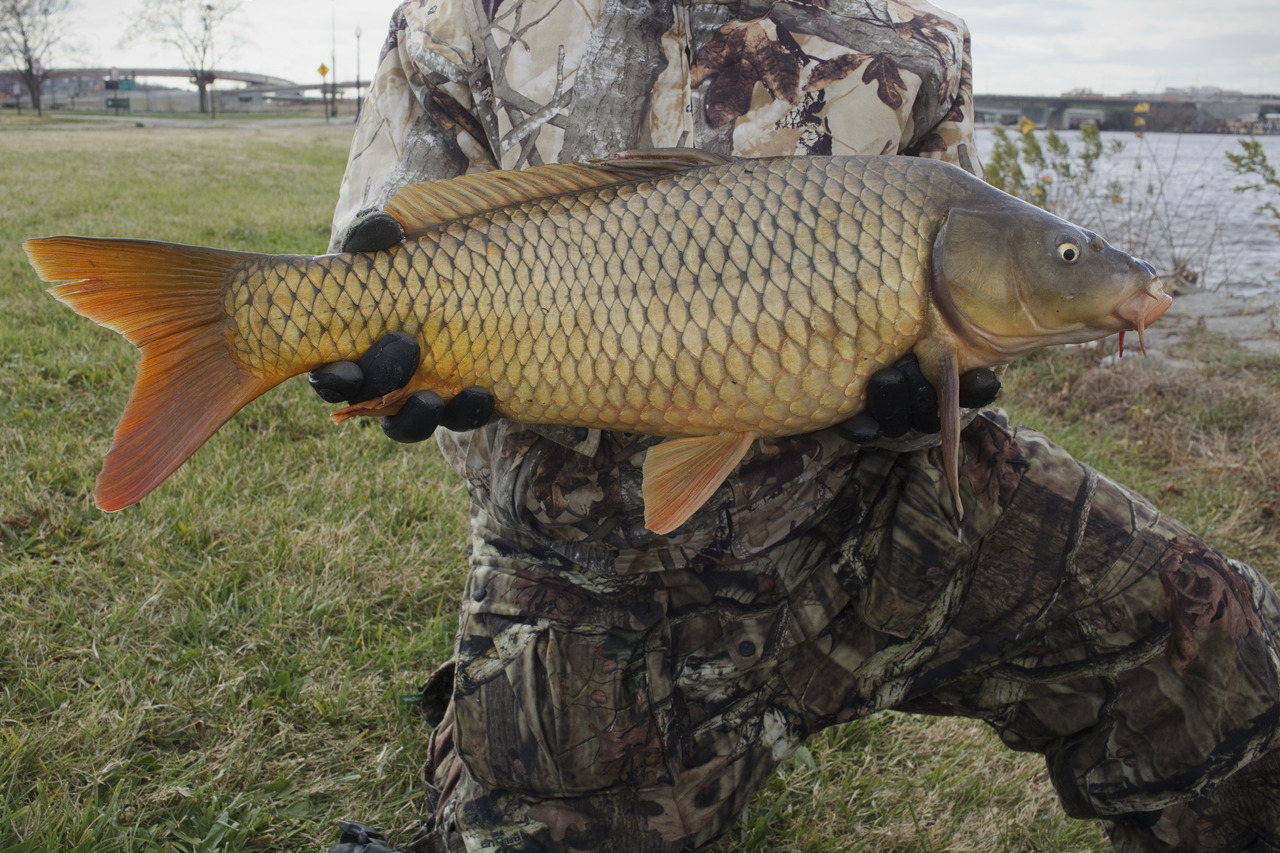
View fullsize  James Hopkins holds a carp he caught in the Anacostia on a November day in 2012. He attempts to catch carp exclusively. As a member of the  Carp Anglers Group  he is dedicated to catch and release fishing. “Fishing for me, is my therapy. It’s for my
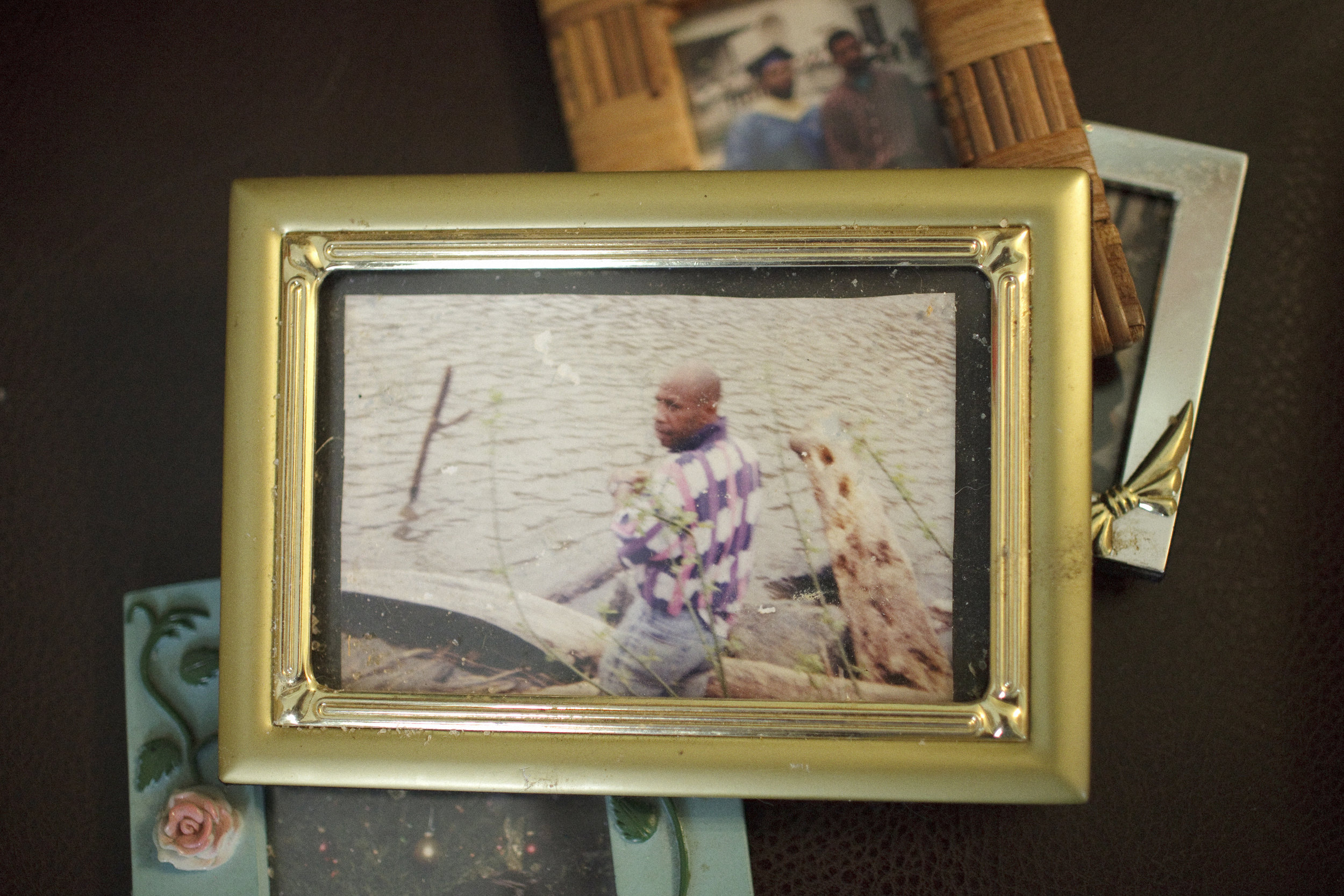
View fullsize  A framed photo of Kojak at the river, taken years earlier. For many, fishing at the river has been a part of their lives for decades.
View fullsize  Gail Halfacre sits with her husband Kojak while he fished for blue cats from the Anacostia in August 2012.
View fullsize  Kenilworth Park is one of the last segments of the Anacostia Riverwalk Trail to be completed. The trail has brought many new visitors and more attention to the river in recent years.